

The lifelong benefits of having a plush toy from birth to adult
If you've ever wondered about the deeper value of owning a plush toy, you're discovering more than just a cute, soft companion. These stuffed animals provide a unique, tactile form of comfort that can soothe both child ren and adult s, creating a lasting sense of emotional security and reducing daily stress. Their cuddly, huggable nature also encourages the development of fine motor skills during play, while easily washable fabrics make them a hygienic choice for the youngest family members.
Acting as trusted partners for imaginative journeys, these cherished friends boost creativity, nurture empathy, and offer comfort during bedtime or moments of anxiety. In essence, they are vital tools for overall emotional well-being at every age. Here’s why do people buy plush toys—and why so many families, including us at Un Bonheur de Colibri, believe a plush toy deserves a spot in every home, from a child's first nursery to an adult's treasured collection.
How stuffed animals comfort and soothe from birth
A newborn enters a big, unfamiliar world that can feel overwhelming. A soft Charlie Bear helps create a nurturing bubble of safety, allowing infants to regulate stress and build emotional security from day one. When considering why do people buy plush toys, this core need for comfort is a key reason—parents naturally seek that special item to help their baby feel protected and calm.
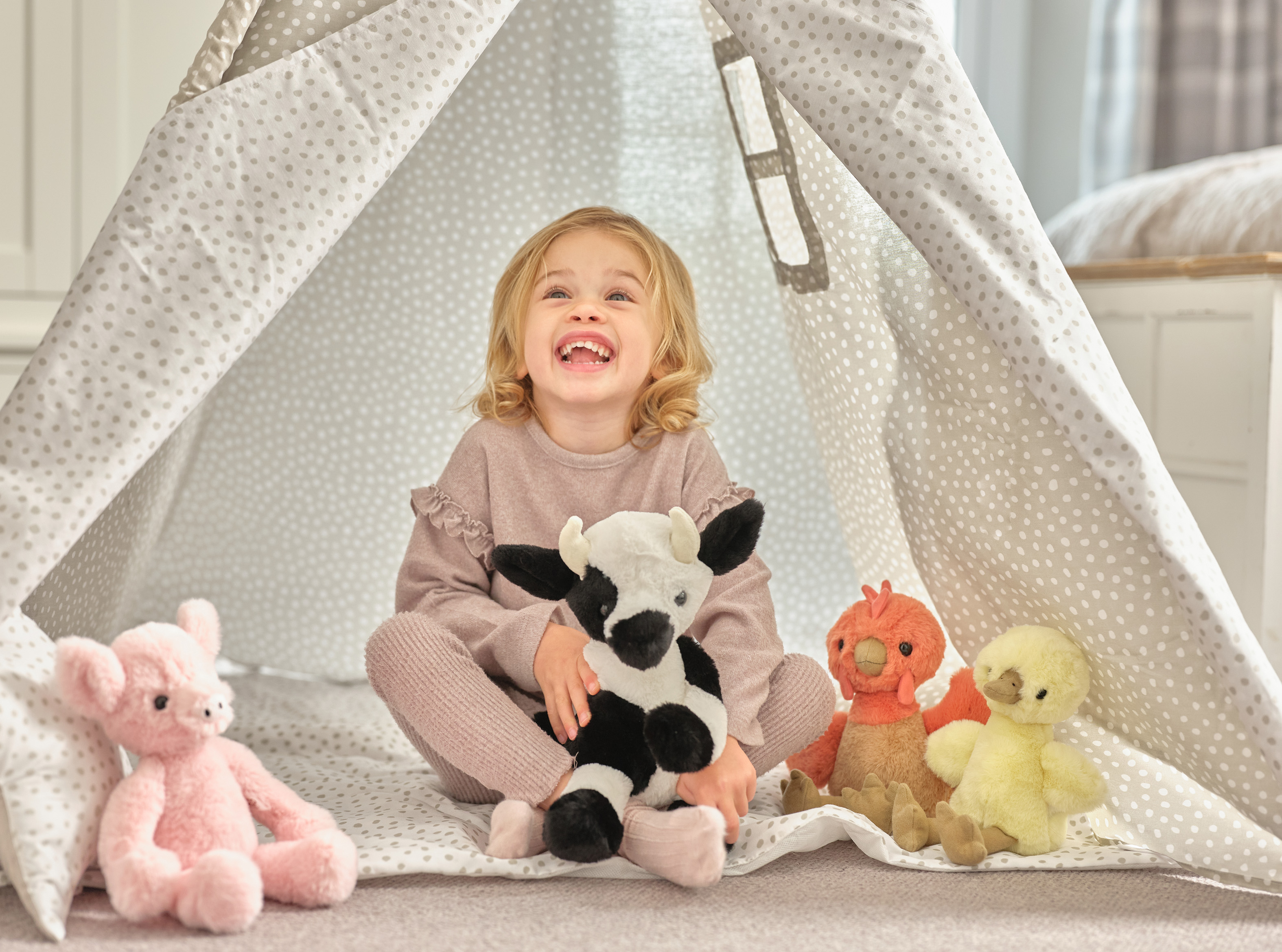
Emotional security and stress regulation in newborns
Regular contact with a plush toy lowers stress and can improve both the quality and duration of an infant’s sleep, promoting healthier rest from those crucial early weeks. When your baby drifts off holding their Charlie Bear, their nervous system begins to relax. Their breathing slows and deepens, guiding them into the restorative sleep that supports physical growth and cognitive development.
This repeated, reassuring contact also helps establish a steady circadian rhythm, teaching infants to differentiate between day and night. This natural rhythm is especially helpful during the unpredictable early months, offering security and routine for both baby and parent.
The early emotional foundation built with a cuddly companion supports healthier development throughout childhood. Giving your child this kind of head start can benefit their well-being for many years ahead.
Physical benefits for infant sleep and development
Hypoallergenic, ultra- soft materials can help lower heart rate and blood pressure, even in pre-term babies, offering physical relaxation that goes beyond pure emotional support. The sensation of gentle textures on sensitive skin triggers measurable physiological calm—something science continues to affirm. When your newborn experiences this soothing effect, you’re giving them more than a toy: you’re offering a therapeutic aid for their developing system.
- Soothing anchor during awakenings: A plush toy acts as a familiar friend during nighttime stirrings, helping babies self- soothe and fall back asleep more easily, without always requiring a parent’s help.
- Ergonomic design for tiny hands: Many plushies are shaped with gentle curves, rounded bellies, and open arms, making them ideal for small hands to hold and explore—promoting motor skills as babies grasp and hug their companion.
- Machine-washable for peace of mind: Being washable at 30°C guarantees the best hygiene for delicate immune systems, so these stuffed animals remain clean, safe, and fresh with ease.
- Sensory variety for individual preferences: Different textures, sizes, and weights allow parents to find the perfect match for their baby’s unique sensory needs and preferences.
We invite you to explore our Charlie Bears collection for soft, hypoallergenic plush toys made especially for newborns and infants—each one is crafted with care to meet the highest standards of safety, quality, and comfort for your little one.
Developmental benefits for children through plush companions
As your child grows from an infant into a curious school-age explorer, their favorite soft stuffed animals evolve alongside them. These beloved toys transition from simple comfort objects into trusted secret-keepers and imaginative play partners. The role of stuffed animals expands significantly throughout childhood, becoming vital tools for psychological and social growth that insightful parents actively encourage.

Building empathy and emotional intelligence in toddlers
Cuddling a stuffed animal helps toddlers recognize and articulate their own feelings, building the emotional vocabulary essential for future relationships. Have you ever noticed a child mirroring the care they receive while holding their favorite plush toy? When they tuck in their bear and whisper words of comfort, they’re safely practicing empathy. This early connection helps explain why many adults continue to cherish plush toys, preserving the nurturing patterns of love first learned in childhood.
- Emotional vocabulary building: Talking about how a bear feels helps a child name emotions like joy or sadness, building a bridge to greater emotional intelligence.
- Non-judgmental practice space: Stuffed animals offer a safe, accepting space for kids to express big feelings without fear of being criticized or rejected.
- Nurturing behavior development: Caring for a bear by feeding or protecting it fosters natural empathy and teaches children to consider the needs of others.
- Self-soothing reinforcement: Regular cuddling and interaction with a soft toy helps children develop healthy self-soothing habits they can use in real-world situations when feeling anxious.
Expressing emotions early through interaction with a plush toy builds lasting emotional intelligence. This foundation supports healthier relationships, better stress management, and genuine compassion throughout life.
Imaginative play and cognitive skills in school-age children
Watching a school-age child interact with stuffed animals offers a glimpse into real-time cognitive development. These plush companions become central characters in elaborate games that ignite imagination and strengthen neural pathways for language and social skills. The benefits of teddy bears for adults often originate here, as grown-ups treasure memories of a time when comfort felt simple and pure. We hold onto these friends because they remind us of the boundless creativity we possessed as children.
- Narrative creation and language development: Inventing stories around their bears improves language skills and the ability to structure coherent narratives.
- Problem-solving through play: Imaginative scenarios encourage creative problem-solving as children plan their bear’s next exciting adventure.
- Character diversity exploration: A variety of plush characters allows kids to explore different personalities and social roles through creative role-play.
- Social communication enhancement: Sharing imaginative stories with stuffed animals helps improve communication with peers, fostering friendships through collaborative adventures.
This isn’t just play; it’s a crucial part of cognitive development during childhood. With so many options available, every child can find a plush toy that reflects their unique personality and sparks their imagination.
Fine motor development through tactile interaction
The thoughtful design of quality stuffed animals supports development far beyond simple emotional comfort. When a child grips their bear or manipulates its limbs during play, they are honing fine motor coordination. This hands-on interaction directly fosters skills they will later use for writing, drawing, and self-care tasks.
Varied fabric textures—from plush velour to soft cotton—provide valuable sensory input that aids learning. Exploring these materials helps children understand their tactile preferences and supports sensory integration, accommodating different learning styles.
This tactile exploration continues naturally through each developmental stage, always offering new benefits. Ultimately, the soft companionship of a beloved stuffed animal remains a constant source of comfort, joy, and learning.
Recommended products




Why Adults Cherish Stuffed Animals for Comfort
Many people are surprised to discover that the comfort provided by a plush toy doesn't simply disappear when childhood ends. Research actually confirms what plenty of us already sense instinctively: holding onto a cherished stuffed animal into adulthood offers genuine psychological benefits. These soft companions make a meaningful contribution to emotional well-being and play a significant role in reducing stress.
Stuffed animals function as transitional or comfort objects, helping both children and adults manage feelings of stress and anxiety. By providing a physical source of security, they promote better sleep, foster independence, and make adapting to new environments or routines easier. Studies indicate that children with a favorite plush toy soothe themselves more quickly, show less distress during medical appointments, and cultivate stronger coping abilities. Adults similarly report experiencing emotional comfort and a decrease in feelings of loneliness. Learn more about the benefits of plush comfort objects.
Emotional Continuity and Anxiety Reduction in Adults
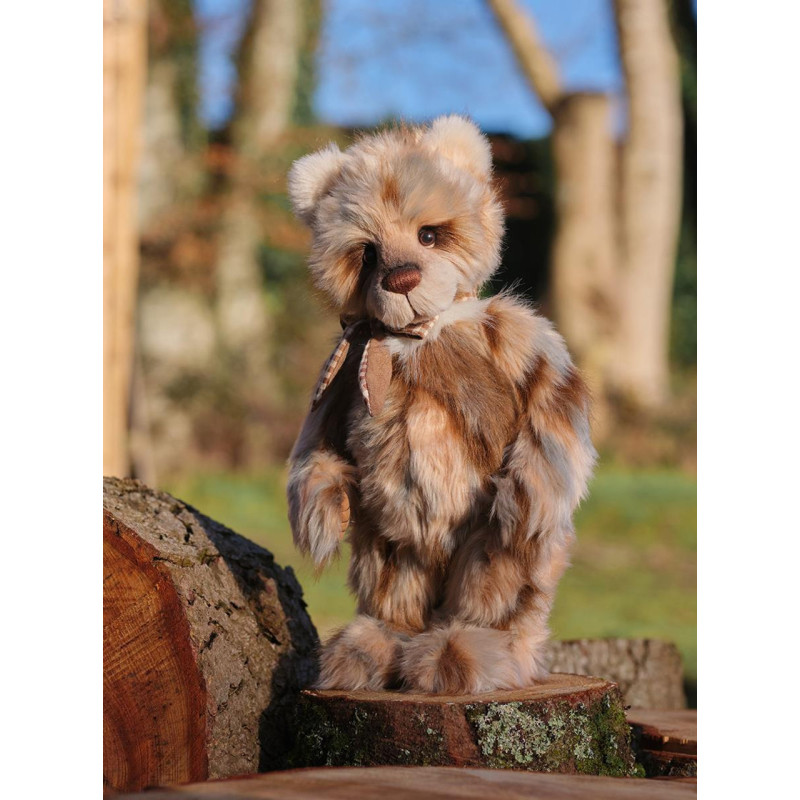
Collectible bears often act as objects of continuity, creating a bridge from adulthood back to positive childhood memories and simpler times. When the psychology of adults with stuffed animals is examined, researchers find these items are sophisticated tools for emotional regulation, not indicators of immaturity. Many adults note a noticeable reduction in anxiety and an improvement in overall well-being when they keep a plush bear close during challenging life transitions.
- Grounding during transitions: A plush toy serves as a tangible reminder of joyful childhood moments, offering emotional stability during tough changes in life.
- Daily mental health support: Regularly interacting with a comfort bear assists in daily mental health maintenance, offering an easy and cost-free coping strategy.
- Hormonal and emotional stability: Stuffed animals help regulate hormonal fluctuations by providing emotional steadiness and a comforting, non-judgmental presence during spikes of anxiety.
The simple act of cuddling a stuffed animal stimulates the release of oxytocin, the neurochemical linked to bonding, trust, and a sense of calm. This means that cuddling is far more than mere nostalgia; it’s a genuine biological process that actively supports your mental health.
| Life Stage | Primary Benefit | How Stuffed Animals Help |
| Young Adults | Managing stress and anxiety | Familiar comfort object lowers cortisol levels during high-pressure times |
| Mid-Life Adults | Emotional continuity | Link to childhood offers grounding and a valuable change in perspective |
| Older Adults | Companionship and loneliness reduction | Tactile comfort and a strong emotional attachment help fight isolation |
Collecting as Self-Expression and Community Connection
For numerous collectors, stuffed animals are far more than simple comfort objects; they become extensions of personality and reflections of personal values. An adult might select a specific bear because its character aligns with their own sense of humor or aesthetic taste. Others may choose pieces for their fine craftsmanship, valuing the quality and uniqueness of limited-edition collections.
- Personal identity expression: Owning a unique bear allows for deep personal expression, with countless models available to ensure everyone discovers their ideal match.
- Exclusive collaborations and aesthetics: Special artist collaborations add a layer of cultural richness, enabling collectors to display their sophisticated taste and share their personal passions.
- Limited-edition collecting: Limited production runs attract adult collectors who appreciate both the visual appeal and the profound emotional connection equally.
- Community and belonging: Collector groups nurture a powerful sense of belonging, creating social bonds and fostering meaningful friendships through a common enthusiasm.
Exploring the Isabelle Collection's premium natural fibers and exquisite craftsmanship often introduces you to a lively community of dedicated collectors. They recognize that an adult values these companions as manifestations of refined taste and true emotional authenticity, not merely as replacements for human connection.
Frequently Asked Questions
Sleeping with soft stuffed animals triggers calming neurological responses that help reduce anxiety and promote deeper, more restorative sleep quality for people of any age. Simply holding a soft companion stimulates the release of oxytocin, which lowers your heart rate and blood pressure while signaling safety to your nervous system.
For a child, this feeling of security helps establish healthy sleep routines and enables them to fall asleep more easily, even if they wake during the night. Adults enjoy similar psychological benefits, including less nighttime anxiety and quicker relaxation. Having a favorite plush toy nearby at bedtime helps many people quiet racing thoughts and achieve the calm needed for truly restful sleep.
Yes, growing research supports what many people intuitively know: stuffed animals genuinely contribute to mental health and emotional well-being in adulthood. They act as valuable tools for easing anxiety, especially during stressful periods, life changes, or bouts of loneliness. The physical act of cuddling a soft item activates the parasympathetic nervous system—the body's natural mechanism for achieving calm.
This process lowers stress hormones and enhances feelings of security and comfort. For adults coping with depression or isolation, staying connected to a beloved comfort object is a healthy and accessible self-care strategy. Rather than viewing this as a sign of immaturity, many professionals recognize these items as effective aids for emotional regulation that support overall well-being.
Adults hold onto stuffed animals for many meaningful reasons—from emotional continuity and aesthetic appreciation to genuine psychological support. Many recognize that the comfort they felt in childhood remains just as nurturing during challenging times. Some collect high-quality plush toy designs for their artistry and cultural significance, appreciating them as refined collectibles rather than mere relics of the past.
Moreover, maintaining this tactile source of comfort supports daily mental health and offers grounding during moments of anxiety. Ultimately, adults who embrace sleeping with stuffed animals often feel more emotionally genuine and self-accepting. They choose to honor what brings them calm and happiness, instead of adhering to narrow societal expectations of adulthood.
Share this article:


