

Are teddy bears safe for babies? Your plush toy guide
When choosing a teddy bear for your little one, safety is the top priority. By understanding the most critical baby teddy safety features, such as those detailed in this guide, you can make a confident and secure choice for your child. This overview provides insight into age-appropriate selections, highlights essential safe teddy bear features, and outlines important checks to ensure your chosen companion is truly safe.
What makes a plush toy safe for your newborn
The search for a perfect comforter begins with knowing which features truly protect your precious infant. Your baby deserves a companion crafted with thoughtful care, including hypoallergenic fabrics and fully embroidered features. These vital details help prevent any potential choking hazard and ensure that your newborn baby teddy bear offers lasting peace of mind.
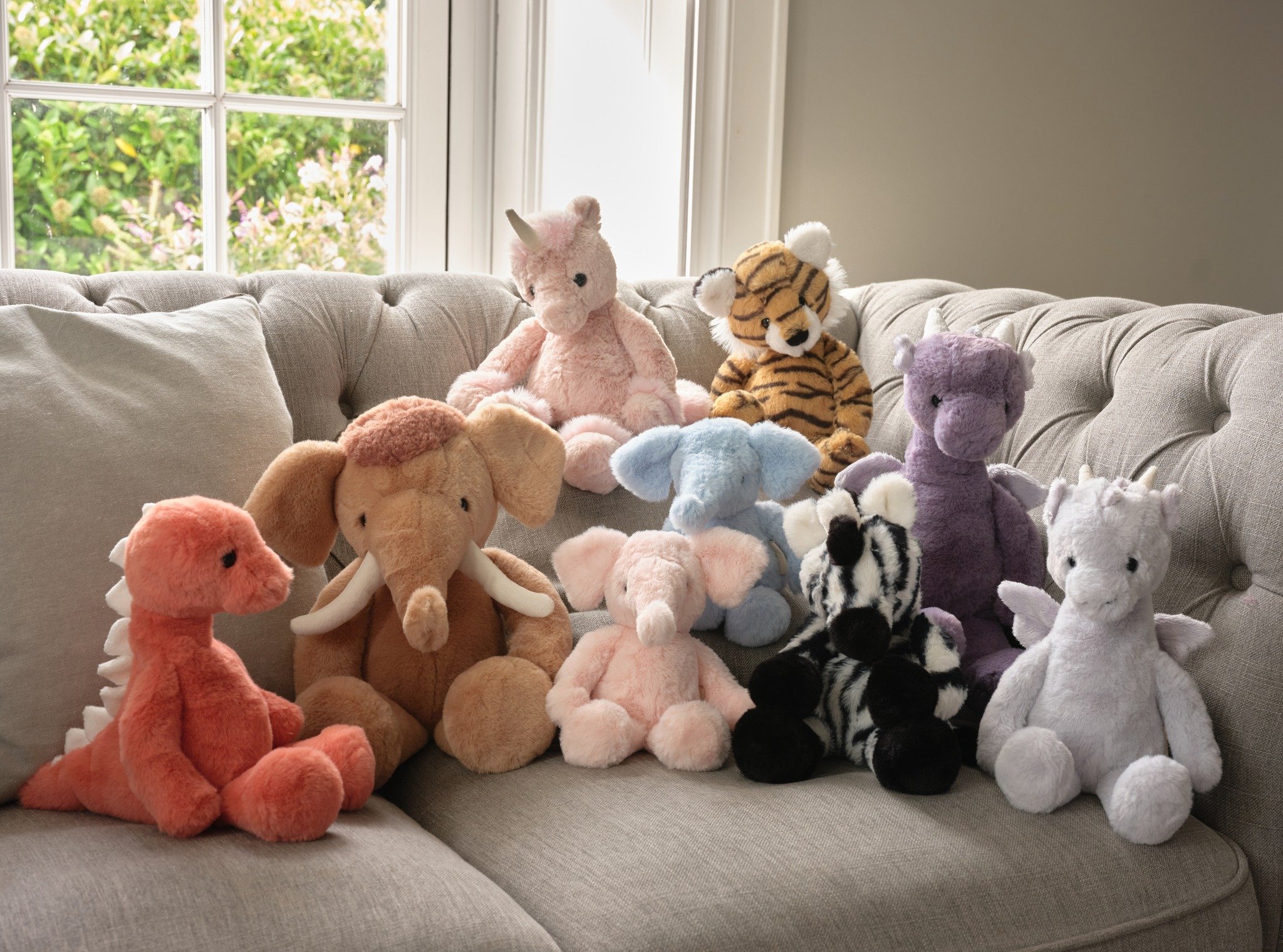
Essential construction and material safety features
Essential safety considerations begin with what you can see and feel on the toy. Always check the seams and fabric carefully before the bear comes into contact with your infant’s delicate skin. These tactile and visual cues determine whether the toy enhances your child’s development or poses a risk to their well-being.
- Fully embroidered facial features: Eyes and mouths that are stitched-on eliminate plastic or detachable parts that could become a choking hazard during play.
- Hypoallergenic, natural fabrics: Soft cotton blends safeguard sensitive skin, helping to avoid allergic reactions while keeping the fabric gentle and breathable.
- Reinforced double-stitched seams: Durable seams withstand repeated washing and active handling as your child grows and plays.
- No detachable accessories: Small bows, buttons, or other accessories can be dangerous, so it’s always best to choose toys without any removable elements.
The Bear&Me collection thoughtfully reflects all these important design principles across every product. Each plush toy features secure seams and ultra-soft fabrics that feel like a gentle hug against delicate skin. This meticulous craftsmanship prioritizes your child’s continuous comfort and daily safety.
Certifications every safe stuffed animal should carry
Always check that your chosen toy holds recognized safety certifications before finalizing your purchase. Marks like the CE marking and specific EN71 labels indicate strict compliance with official safety standards. Missing or questionable labels should encourage you to consider a different product entirely.
Certain collections proudly display these essential certifications, ensuring they meet all regulatory requirements across Europe. Some makers even provide spare parts to safely restore a beloved comforter over time. Investing in properly certified items helps guarantee long-term durability and offers parents real peace of mind.
Choosing the right size comforter for a newborn
Toy size plays a major role in overall safety, especially for newborns and infants. A companion that is too large can create a dangerous suffocation risk if it shifts unexpectedly during sleep. The ideal size prevents airway obstruction and remains easy to handle during supervised play.
A bear approximately 33 centimeters long often fits this need perfectly for little hands. Your child can grip it comfortably, which naturally helps them enhance their fine motor skills. As your infant grows, slightly larger options can be introduced safely to support their expanding play experiences.
Figuring out when and how your baby can safely sleep with a soft toy involves balancing their emotional needs with important safety recommendations. The American Academy of Pediatrics (AAP) provides clear, developmentally appropriate guidelines. This section translates those rules into helpful tips and confirms that baby safe plush bears are available for every age.
What age can my baby sleep with a stuffed animal: AAP guidelines
The answer to "what age can my baby sleep with a stuffed animal?" according to AAP, is a bit more complex than a simple age. It is not safe for a newborn to share their sleep space with a plush toy. However, you can absolutely offer your baby supervised play with stuffed animals right from birth. This allows you to provide emotional comfort safely while still prioritizing your infant's well-being.
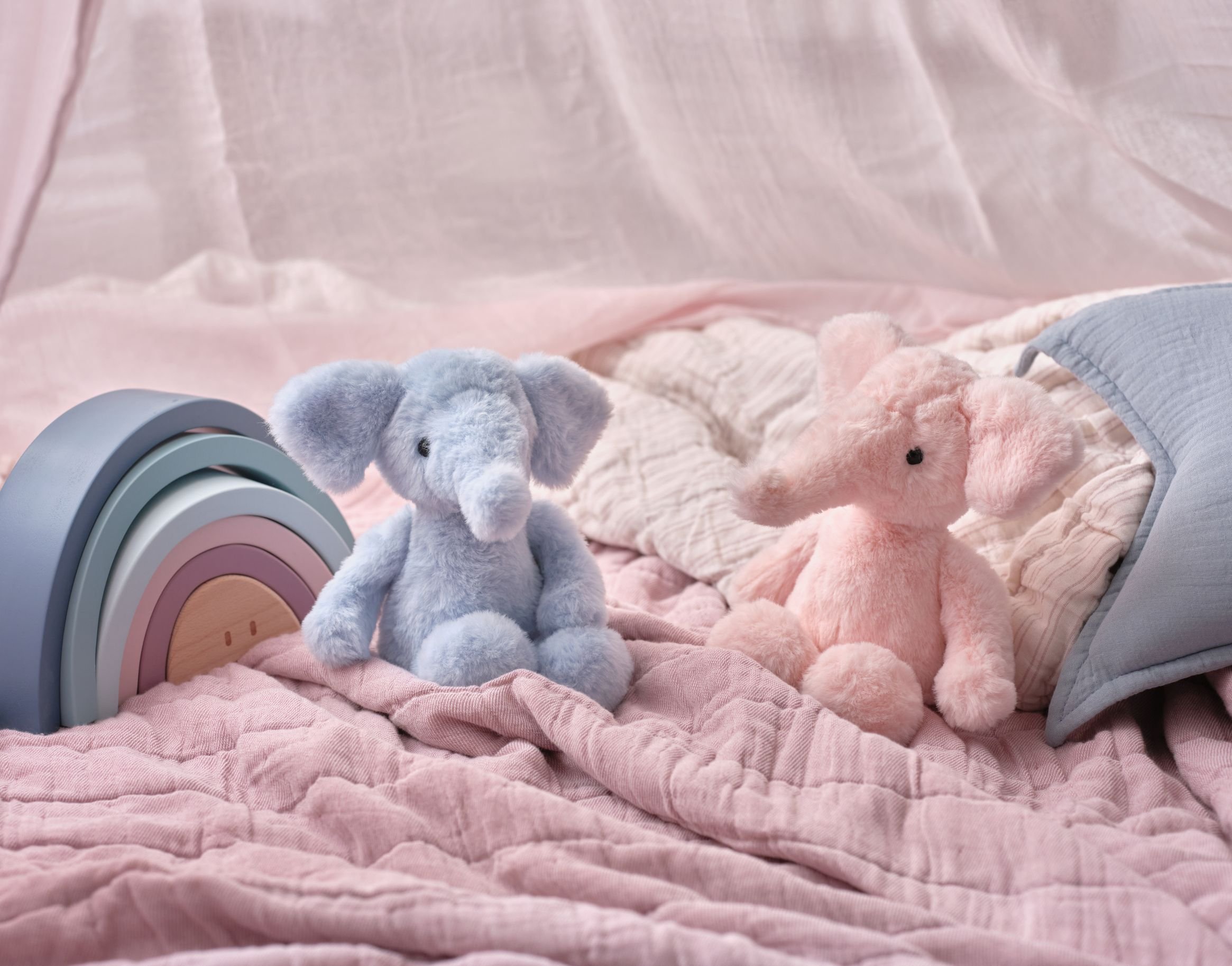
AAP sleep rules for stuffed animals under 12 months
The most important safety rule is that the crib for babies under 12 months should be completely empty. Your infant's sleep space needs just a firm mattress and a fitted sheetnothing else. Keeping items like a plush toy out of the crib protects younger babies from potential suffocation hazards.
- Birth to 6 months: The crib must remain entirely bare during all sleep times. Only offer toys during supervised wakeful activities like tummy time.
- 6 to 12 months: You can incorporate a teddy into your bedtime routine while your baby is still awake, but it is essential to remove it before they fall asleep.
- Around 3 to 4 months: Your infant’s motor skills improve, making supervised play with a soft toy much safer and more engaging.
- Never during sleep: Never place a comforter under loose bedding, and always avoid letting your baby sleep near soft, plush surfaces.
These guidelines are in place because soft objects can pose significant risks in a sleeping infant's environment. Taking the comforter out before sleep ensures your baby stays completely safe. After their first birthday, improved motor skills usually allow a first teddy bear for baby to become a safe, all-night companion.
Even during those early months with a bare crib, you can still provide comfort safely. A favorite teddy can offer soothing moments during the day and support healthy development. This approach helps you build a meaningful bedtime routine while keeping the sleep space secure.
When can a comforter stay in the crib overnight
A first teddy bear for baby can typically become an overnight sleep companion once your child is at least 12 months old and has developed strong motor skills. This milestone is usually reached between 12 and 18 months. Once your toddler is ready, a single, small, baby safe teddy can offer wonderful emotional comfort through the night.
Introducing a plush toy into the crib should be done gradually. Start by including the teddy in your bedtime routine while your infant is awake. Keep a close eye on their interactions for the first few nights to ensure the toy provides comfort without interfering with sleep.
| Age Range | Sleep Space Rules | Plush Toy Role | Safety Considerations |
| Birth to 6 months | Bare crib only | Supervised awake play only | Remove all soft objects before sleep |
| 6 to 12 months | Bare crib only | Bedtime routine while awake | Must be removed before infant falls asleep |
| 12 to 18 months | May include single toy | Sleep companion if motor skills present | Monitor first nights; ensure no covering of face |
| 18+ months | Single small toy appropriate | Comfort object and emotional support | Verify reinforced seams for vigorous play |
For example, teddy bears from Bearhouse are specifically designed for children aged 18 months and older. Their reinforced seams and appropriate size help minimize any risk to a child’s airways. Choosing a toy that matches your child’s development is key to ensuring a safe and secure sleep.
Safe supervised play with a plush toy from birth
Starting from birth, supervised play with a plush toy is a great, risk-free way to bond and stimulate development. You can hold your newborn and gently introduce a soft bear during quiet, alert moments. Your attentive supervision makes the teddy a wonderful tool for healthy growth.
As your infant gets older, they will start to intentionally grasp and explore their toy. This marks the beginning of true interactive play. Always stay nearby to watch for any potential issues, like loose threads, ensuring the experience remains completely safe and enjoyable.
The NHS and American Academy of Pediatrics (AAP) provide remarkably consistent guidance on teddy bear safety, making it easier for parents to make informed decisions. Both organizations prioritize protecting babies under 12 months from potential risks while acknowledging the emotional benefits a plush toy can offer as a child's development advances. Understanding safe teddy bears involves striking a balance between safety and the comfort these items provide.
Recommended products


When can baby sleep with teddy NHS and international guidance
Parents often ask: when can baby sleep with teddy nhs? The recommendation aligns with AAP guidance: wait until your infant is over one year old. The NHS emphasizes that an empty crib is the safest sleep space, reducing any potential suffocation risk and ensuring safe sleep. This consensus among major health organizations offers valuable peace of mind.
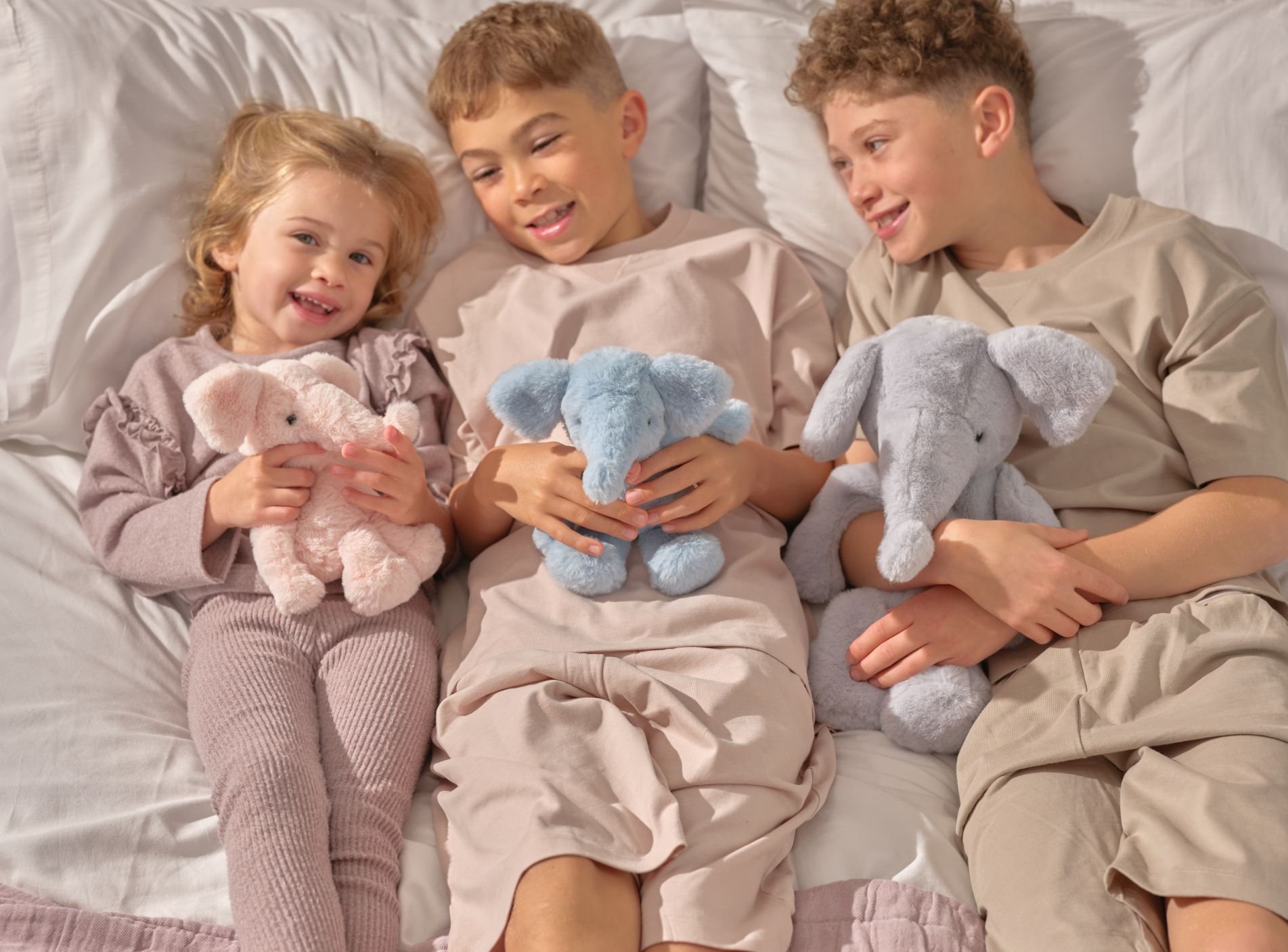
NHS safe sleep rules for plush toys in the cot
The guidance is clear: wait until after your child’s first birthday. The NHS advises that babies under 12 months need an empty crib to minimize hazards. Placing your infant in a nearby bassinet allows for closeness while maintaining a dedicated, toy-free sleep area.
After your child turns one, NHS recommendations become more flexible. Introducing a single, breathable plush toy or stuffed animal is generally acceptable, as long as your toddler can sit unaided and move objects away from their face. This measured approach supports emotional development while keeping the sleep space safe.
Are stuffed animals safe before 12 months NHS advice
So, are teddy bears safe for babies nhs? They can be used for supervised playtime during the day from an early agejust not in the crib overnight. These interactions help build familiarity and attachment, making the plush toy more meaningful later on.
The NHS highlights that soft objects like teddy bears safe for babies pose a genuine risk in early infancy. To answer are teddy bears safe for babies definitively: yes, but only when kept out of the sleep space for the first year. Seeing the delight on your child’s face when they finally get a nighttime companion makes following this guidance truly rewarding.
By age two, most children have developed the motor skills, emotional maturity, and cognitive awareness to truly benefit from a comforting plush companion. At this stage, sleep safety is less about strict restrictions and more about informed choices and attentive supervision. Knowing that soft toy safety standards support your decisions can be very reassuring.
Is It Safe for a 2-Year-Old to Sleep With a Plush Toy?
So, is it safe for a 2-year-old to sleep with a teddy? Generally, yes, as long as you make smart choices and provide proper supervision. The strict conditions that made soft toys a potential risk for an infant no longer apply in the same way. Your toddler can now move and reposition themselves more easily, so the key is simply to pick the right stuffed animal.
Safety Checklist for Toddler Stuffed Animals at Bedtime
You can create a safe sleep environment by following a simple checklist for your child’s comforter. Because toddlers have a stronger grip and engage in active play, it's important to choose toys built to robust safety standards. Look for a plush toy designed specifically for this developmental stage, with reinforced seams that can handle energetic daily use.
- Size Verification: A comforter around 45 centimeters is easy for small hands to hold and reposition throughout the night.
- Certification Confirmation: Always check for CE markings or other compliance labels to ensure the toy meets safety standards for toddlers.
- Seam Inspection: Check the stitching carefully to make sure seams are secure and won’t easily come apart, even when your toddler tugs or twists the toy.
- Accessory Assessment: Ensure any attached decorationslike eyes or buttonsare firmly secured and are too large to be a choking hazard.
Before bed, take a moment to watch how your toddler plays with their favorite bear. This helps you gauge whether the toy actually supports restful sleep or becomes a distraction. Making small adjustments, such as repositioning the toy, can help ease any lingering safety concerns.
Emotional and Developmental Benefits of a Comforter at 2
The developmental benefits of a teddy bear go well beyond simple comfort at bedtime. As your child continues to grow, a cherished soft toy becomes a trusted companion through this period of development. It offers emotional grounding during transitions and helps spark early imaginative play.
Toddlers often rely on stuffed animals as transitional objects that help them navigate emotions and build independence. They might talk to their bear or use it to act out feelings they aren’t yet able to express. Supporting this bond can help nurture their emotional intelligence and encourage secure attachments.
Ongoing Hygiene and Inspection of Your Child's Teddy Bear
At this age, having a washable comforter is especially important. Regular cleaning removes dirt and germs, keeping the toy hygienic and helping support your child’s developing immune system. A gentle wash cycle is typically enough to clean the fabric while preserving any delicate embroidered features.
In addition to routine washing, perform a visual inspection every month to spot potential problems early. Look for signs of wearlike fraying seams, loose threads, or fabric thinningand repair them promptly. Ongoing care like this ensures the toy lasts longer and, most importantly, keeps your child safe.
Choosing toys designed for durability means they’ll withstand both active play and frequent washing. High-quality materials and construction help the plush toy stay intact over time, making it a smart, long-term investment in your toddler’s happinessand your peace of mind.
Frequently Asked Questions
Your little one can begin enjoying a teddy bear right from birth during supervised playtimes while awake. By the time they are three to four months old, their improved hand control makes interactions with the toy far more engaging. However, it's important to note that an infant should never have a stuffed animal in their sleep space before they turn twelve months old.
A newborn baby teddy bear serves as a charming daytime companion for activities like tummy time or stroller rides. For safe choices, always select a plush toy that has embroidered features, securely sealed seams, and is made from hypoallergenic fabric. These thoughtful design elements help protect your baby while gently nurturing their early sensory development.
No, a three-month-old should never sleep with any stuffed animal, regardless of its quality. At this stage, babies do not possess the necessary motor skills to move objects away from their face. Introducing any soft item into the sleep space presents a serious and unacceptable risk of suffocation.
Your baby can, however, still enjoy the supervised play and emotional comfort that a carefully selected plush toy provides during their awake hours. This safe practice allows you to introduce a source of comfort without compromising the safety of their sleep environment, keeping the crib completely bare. Around three to four months of age, these interactions become increasingly meaningful.
A one-year-old can have a single teddy in their cot if they have reached certain motor milestones. They should be able to roll over, sit up unassisted, and move objects away on their own. While these skills typically develop between twelve and eighteen months, each child's development is unique.
Always monitor your child closely and seek advice from your pediatrician if you are uncertain about their readiness. Once your toddler is truly ready, a small, breathable teddy can offer wonderful nighttime emotional comfort and security. Transitioning away from a completely bare crib is a significant and exciting milestone.
Share this article:


