

The psychology behind stuffed animals explained
The psychology behind stuffed animals runs deeper than simple childhood nostalgia. Stuffed companions can shape emotional and physiological responses across the lifespan, which helps explain why comfort object psychology remains such a useful framework.
Why humans form deep bonds with stuffed animals
Stuffed toys hold a rare place in human psychology. They are crafted, inanimate companions, yet they can shape real emotional and physiological responses. To understand their role, it helps to place developmental theory alongside neuroscience: the responses involved are not imagined, but biological.
Why babies and children need stuffed animals
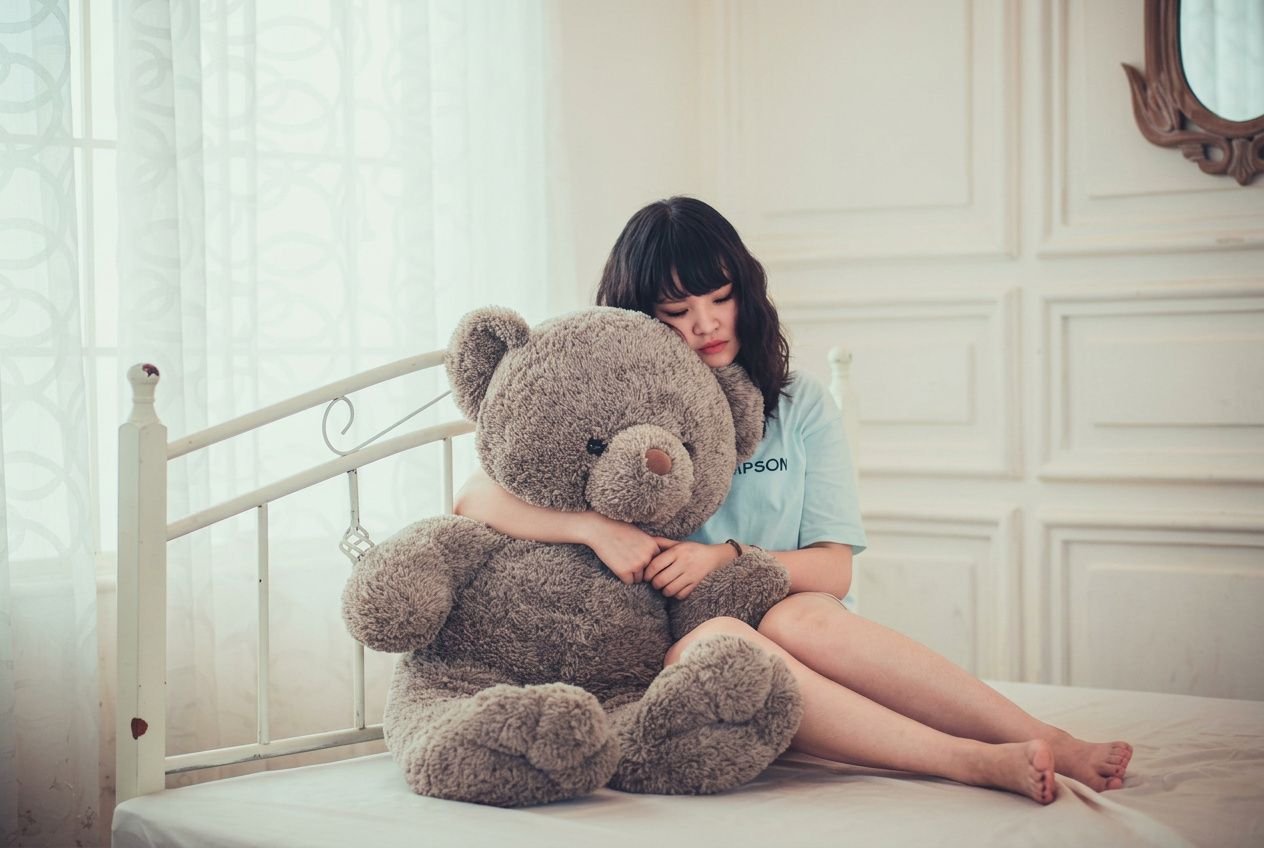
That biological foundation begins early. Donald Winnicott’s theory of transitional objects explains why babies need stuffed animals: a plush toy can become the child’s first meaningful possession that sits between self and caregiver, easing the move from dependence towards independence. Around 60% of children in Western countries develop this kind of attachment, and research links it to lower anxiety, better sleep, and steadier adaptation to change.
In practice, this helps explain why children reach for a plush during separation, bedtime, or unfamiliar routines: the toy offers predictable security and solace at moments when feelings are hardest to regulate.
The neuroscience of comfort, what happens in your body
Cuddling a stuffed animal can trigger genuine neurochemical changes that support relaxation, emotional support, and mental health, rather than offering distraction alone.
Research gathered through stuffed animal benefits points to several mechanisms:
- Oxytocin release: holding a plush companion or teddy bear can stimulate the bonding hormone, supporting calm, trust, and a felt sense of security.
- Cortisol reduction: contact with soft materials can lower the body’s main stress hormone, which helps people find comfort during periods of anxiety.
- Heart rate stabilisation: gentle tactile input from stuffed toys can support lower heart rate and blood pressure through skin-level sensory signalling.
- Neurological pathway activation: touch can activate pathways that overlap with human contact, which helps explain the therapeutic role of stuffed animals without confusing plush companions with human relationships.
Weighted stuffed toys add another layer: deep-pressure input can mimic the sensation of being held, increasing serotonin and dopamine while reducing cortisol. The right choice depends on texture, weight, and familiarity, since a stuffed companion tied to memories often brings stronger emotional support than a newly chosen plush.
Why adults and neurodivergent people still find comfort in plush
That same nervous-system response does not disappear with age. Sleeping with stuffed animals remains common, and adults with stuffed animals are often drawing on a coping strategy that supports emotional resilience rather than returning to childhood. Research cited here includes a figure of around 40% of adults sleeping with a stuffed animal, alongside a 2024 study in which daily 20-minute sessions with a beloved plush led to a 40% reduction in nighttime hypervigilance among trauma survivors.
Alongside this, attachment to stuffed animals in ADHD research shows how tactile grounding can help during overstimulation or dysregulation. Soft, reliable sensory input offers something concrete: a way to find comfort when arousal is high and words are not enough.
- Autism and sensory sensitivity: ultra-soft, hypoallergenic materials can provide grounding input without overwhelming heightened sensory systems.
- ADHD and anxiety: a plush companion can act as a stable sensory anchor, supporting attention and reducing physiological agitation.
- Trauma recovery: in therapeutic settings, stuffed toys may be used as transitional objects that help build self-compassion and safe attachment.
The same principle applies to sleep. Sleeping with stuffed animals can support bedtime regulation in infants and adults alike, a pattern rooted in the same comfort-object mechanisms described above.
Why do stuffed animals feel alive, feelings, souls, and projection
Once attachment is established, many people notice something else: the sense that a plush has presence. The question, why do I feel like my stuffed animals have feelings, is usually answered in psychology through anthropomorphism, the human tendency to attribute feelings, intentions, and personality to crafted companions. A teddy bear or other stuffed companion, especially one linked to childhood memories, can become a vessel for affection, attachment, and emotional meaning.
From there, questions such as do stuffed animals have souls are less about metaphysics than about lived experience. Psychology focuses on what these connections with stuffed animals actually do: they can hold memories, soften loneliness, and offer solace during stress. Cuddling a stuffed animal that feels familiar may create a sense of companionship strong enough to support mental health, even when the person knows full well that the plush is not alive.
The emotional bond may draw on nostalgia, childhood memories, or a need for continuity, yet it can also reflect healthy attachment and therapeutic self-regulation. The right choice depends on personal history, but the underlying pattern is clear: comfort objects often help people organise feelings, strengthen emotional resilience, and maintain security during change.
That broader pattern appears in contemporary collecting too. Gen Z’s embrace of plush companions and related crafted figures points to a cultural shift in how emotional needs are discussed. For a wider view of this movement, see doll collecting psychology and the related doll collecting psychology guide, which explore nostalgia, identity, and emotional healing in adjacent forms of collecting.
Frequently asked questions
Is it normal for adults to sleep with stuffed animals?
Yes, entirely. Studies suggest that about 35% of British adults sleep with a teddy bear, while roughly 40% of adults worldwide retain an emotional attachment to plush companions.
That connection is not childish; it is grounded in how the body responds to comfort objects. Sleeping with stuffed animals can encourage oxytocin release and lower cortisol: in practice, that can ease anxiety, reduce nighttime hypervigilance, and support better sleep quality.
Why are neurodivergent people often strongly drawn to plush toys?
That same calming effect can be especially valuable for people with ADHD, autism, or sensory processing differences. Stuffed toys provide immediate sensory feedback that screens and spoken reassurance often cannot, and the detail that makes the difference is tactile consistency: soft texture, predictable weight, and a steady physical presence.
Alongside this, those sensory cues can help regulate the nervous system by supporting serotonin and dopamine while lowering cortisol. Weighted plush designs may deepen that effect by echoing the sensation of being held, making them a discreet source of emotional support when strong feelings or anxiety become difficult to settle.
Why does nostalgia play such a strong role in adult attachment to stuffed animals?
Childhood stuffed animals often carry emotional memory through scent, texture, and shape, linking them to safety, care, and earlier forms of attachment.
Research suggests that nostalgia can reduce stress, strengthen a sense of social connection, and support emotional balance. The right choice depends on the person, but periods of change are a common trigger: a familiar form, scent, or weight can provide continuity when other anchors are absent.
Collectors will note that this does not only apply to long-kept pieces: similar forms, fabrics, or proportions can revive the same emotional memory, meaning a newly acquired stuffed animal can carry the same settling effect as one kept since childhood.
Recommended products



Share this article:


