

Why is gen z obsessed with collecting toys and dolls?
Why is Generation Z collecting dolls and toys at a scale that now accounts for a quarter of all toy sales globally? This cultural trend rests on precise psychological drivers and a clear financial logic. The difference comes down to intent: a serious collector applies strict selection criteria, while accumulation stems from impulse.
Why Generation Z is obsessed with collecting dolls and toys
This demographic entered adulthood during a period defined by the COVID-19 pandemic, economic uncertainty, and intense social media pressure. Collecting dolls and toys operates as a deliberate, structured response to these conditions. In practice, this habit merges emotional necessity with precise financial logic.
Nostalgia and inner-child healing as core motivations
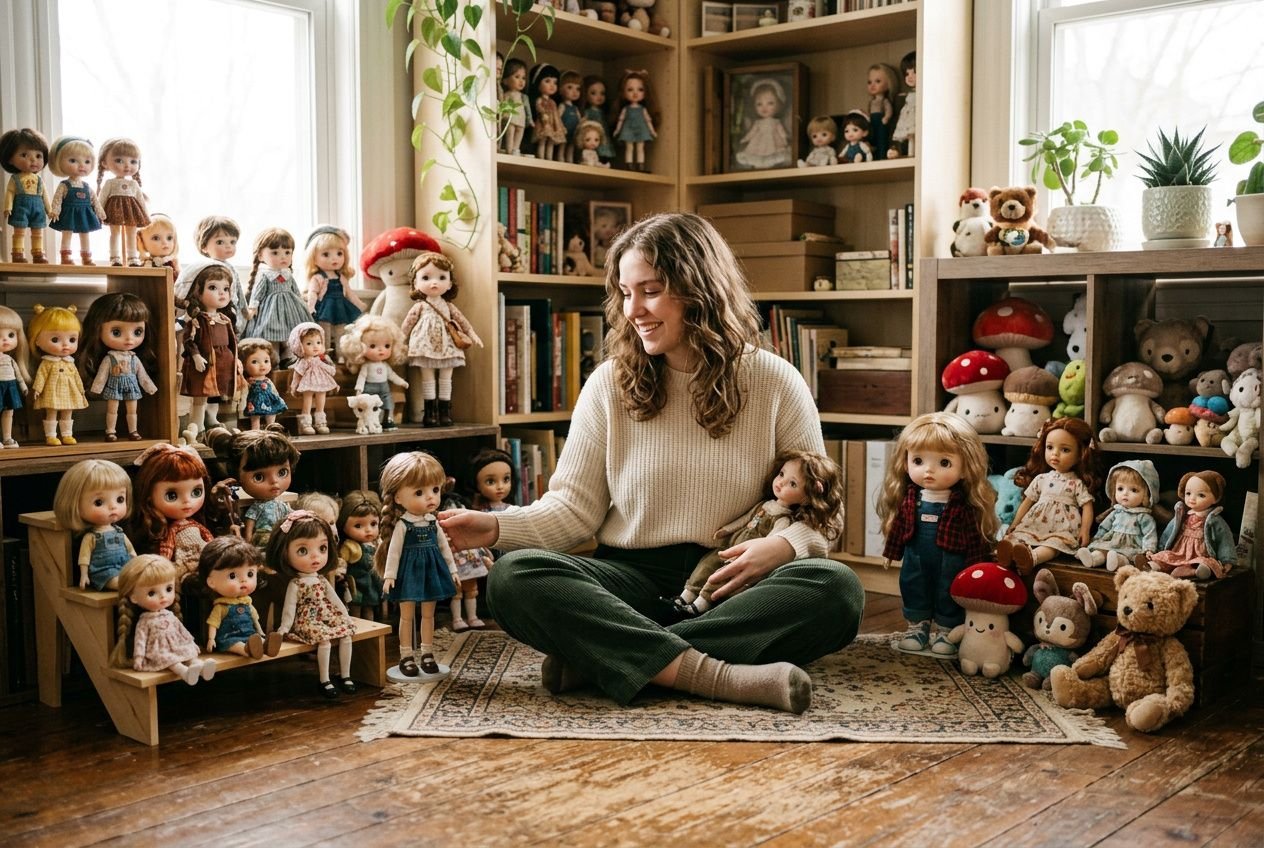
One clear answer to why Generation Z is collecting dolls lies in targeted nostalgia for their own recent past. This generation likes to collect the tactile feeling of Y2K aesthetics and early 2000s characters. For those seeking curated limited edition dolls selected with strict rigour, I would prioritise pieces that match these criteria.
Inner-child healing functions as a measurable therapeutic movement, not a metaphor. Acquiring a handcrafted Zwergnase piece provides a concrete method of self-reparenting. This specific curation restores a sense of control that was disrupted during formative years.
- Y2K nostalgia: Collectors target objects from their lived childhood rather than inherited eras, anchoring the emotional connection in direct experience.
- Self-reparenting through curation: Displaying a curated collection establishes a predictable, controllable physical space against adult uncertainty.
- Tactile grounding: Physical objects, whether vinyl figures or plushies, deliver genuine stress relief through sensory feedback that screens cannot provide.
The COVID-19 pandemic accelerated this trend by severing traditional transition rituals into adulthood. In real terms, owning a physical object crafted by a named artist carries a permanent weight that digital profiles lack. The difference comes down to tangible permanence.
The lipstick effect and economic logic behind collecting
Generation Z toy trends mirror the lipstick effect, where spending shifts toward accessible luxuries during an unstable economy. A monthly budget of 50 to 100 euros for a collectible feels structurally achievable. Facing a housing market defined by instability, this represents a rational reallocation of funds.
Homeownership remains structurally inaccessible for many young adults, shifting discretionary income toward alternative assets. Discontinued Paola Reina editions often appreciate significantly, presenting a viable financial strategy. I advise keeping original tags intact; our strict vinyl doll guide outlines how to secure value from the first purchase.
Social media, blind boxes, and community-driven collecting
Platforms like TikTok actively construct the adult collecting landscape rather than merely reflecting it. Unboxing videos transform individual acquisitions into a shared cultural event. Concretely, 87% of European 18 to 24-year-olds purchased toys or games in the past year, driven by this social media visibility.
- Viral unboxing culture: The reveal of blind boxes generates repeat purchases, transforming a standard transaction into a shared ritual.
- Stigma reduction: Visible engagement has largely erased the friction of adults buying toys, reframing the habit as art appreciation.
- Pop culture integration: Recognisable characters from anime and film allow buyers to publicly display their cultural affiliations.
The mechanics of blind boxes create precise anticipation by hiding the specific figure within a known series. This controlled unknown drives community trading and repeat acquisitions. Its gamified structure maps exactly onto how this generation likes to collect.
Artisan dolls, kidult economy, and the market behind the trend
Adults who purchase toys now drive a quarter of the market, structurally shifting how this generation likes to collect. Collectibles represent 15% of a global market valued at roughly 100 billion dollars. Licensed toys grew 8% in 2024, proving this is an established economic force.
Craftsmanship defines the upper tier of this sector, separating a genuine investment from a mass-produced item. Artists producing limited runs apply fine-art techniques, ensuring long-term desirability for the serious collector. Sourcing end-of-line pieces through curated collectible doll deals provides the scarcity-driven opportunities these buyers target.
| Driver | Mechanism | Concrete example |
| Nostalgia | Y2K and early 2000s objects restore emotional comfort from a known past | Paola Reina dolls, vintage-style vinyl figures |
| Inner-child healing | Self-reparenting through curation and tactile ownership | Handcrafted Zwergnase pieces, soft-body collector dolls |
| Lipstick effect | Accessible luxury during economic uncertainty; dopamine without major commitment | Entry-level Paola Reina from 30 euros; monthly budgets of 50–100 euros |
| Investment logic | Limited editions and discontinued pieces appreciate on secondary market | Tagged Zwergnase limited runs; Charlie Bears Isabelle with certificate |
| Social normalisation | Social media transforms collecting into a shared cultural identity | TikTok unboxings, Instagram collection showcases, blind box communities |
| Kidult economy | Adults now drive 25% of toy sales; collectibles represent 15% of market value | Global market at ~$100 billion; licensed toys up 8% in 2024 |
Frequently asked questions
Why is Gen Z collecting dolls instead of saving for a home?
Allocating funds toward a collectible provides an accessible personal milestone, a tangible counterpoint to the pervasive economic uncertainty. Concretely, limited-run pieces from makers like Zwergnase or discontinued Paola Reina models often appreciate, recharacterizing the expense as a rational financial decision. The physical experience of curation offers a satisfaction a standard savings account cannot deliver.
What kinds of dolls is Gen Z most obsessed with collecting?
The focus lands on vinyl artist editions from houses like Zwergnase, Paola Reina, and Ruby Red, prized for their durability and intricate handcrafted detailing. In practice, the unpredictability of blind boxes drives repeat purchasing. Pop culture characters and certain synthetic plushies are also dominant, frequently serving as visible identity markers on social media.
Is adult collecting dolls and toys a lasting trend or a passing phase?
Adult collecting is the fastest-growing segment of the global toy market, a trend underpinned by structural shifts. The drivers—from social media normalization to broader financial uncertainty—suggest permanence. Individuals entering the hobby now, perhaps with an entry-level Jouets de Paris piece, are the collectors who will shape the secondary market for the next two decades.
Recommended products

Share this article:


