

Benefits of choosing natural scented candles for your home
When you light a candle at home, you do more than just set a cozy mood—you actively affect the air quality around you. Understanding the difference with natural scented candles is key, as not all options are equal. This guide explores the significant health and safety benefits of choosing candles made from vegetable wax over traditional paraffin candles.
Why natural scented candles are healthier for you
Making the switch to natural candles can instantly improve your indoor environment. A scented candle made from vegetable wax provides a noticeably clean burn, releasing no carcinogenic gases while spreading authentic, pleasant aromas. These candles offer real advantages for your wellbeing, enhancing your daily living experience.

How vegetable wax reduces indoor air pollutants
Plant-based waxes like soy, coconut, and rapeseed wax melt at lower temperatures than paraffin, resulting in far less soot. Choosing natural candles options helps shield your respiratory system from harmful compounds. Research shows that candles made with natural ingredients can reduce airborne particulates by up to 70% compared to paraffin candles, greatly improving your air quality.
- Zero carcinogenic emissions: Unlike paraffin, vegetable wax doesn’t release benzene or toluene, preventing toxins from accumulating in your lungs.
- Minimal black soot: These plant-based waxes produce almost no black residue, protecting your walls and furnishings from unsightly buildup.
- Lower flame temperature: The cooler, gentler flame of natural candles reduces both indoor pollution and fire risks.
- Cleaner combustion: A true clean burn means purer air, making it ideal for households with children, pets, or those with sensitivities.
Many people with asthma notice fewer symptoms after switching to natural scented candles. Breathing becomes easier, and headaches lessen without the harsh chemical smell left by paraffin alternatives. Your home will simply feel fresher and healthier.
Essential oils versus synthetic fragrances for wellbeing
This is a crucial difference that shows why natural scented candles better support your health and wellbeing. Essential oils are free from synthetic fragrances and phthalates, avoiding endocrine-disrupting chemicals. Inhaling a natural fragrance means you’re enjoying pure botanical extracts that offer genuine therapeutic benefits.
A natural aroma is released gently, never overwhelming your senses with artificial harshness. Botanical ingredients preserve their therapeutic properties—lavender genuinely relaxes, while citrus truly uplifts. These ingredients enrich your home’s atmosphere and contribute to a sense of balance and calm.
Safety benefits of organic wicks and lower burn temperatures
Combining organic wicks with vegetable wax avoids metal-core emissions, so you never inhale lead or other metals. The lower burning temperature of these natural ingredients also significantly reduces the risk of overheating compared to hotter-burning paraffin candles. Together, these features create a much safer experience for your home.
Removing paraffin candles from your living space measurably boosts your family’s safety and long-term health. While paraffin can release high levels of benzene, natural options produce almost none. Opting for plant-based, natural scented candles is a simple and effective way to safeguard your indoor air quality.
Environmental benefits of natural candle ingredients
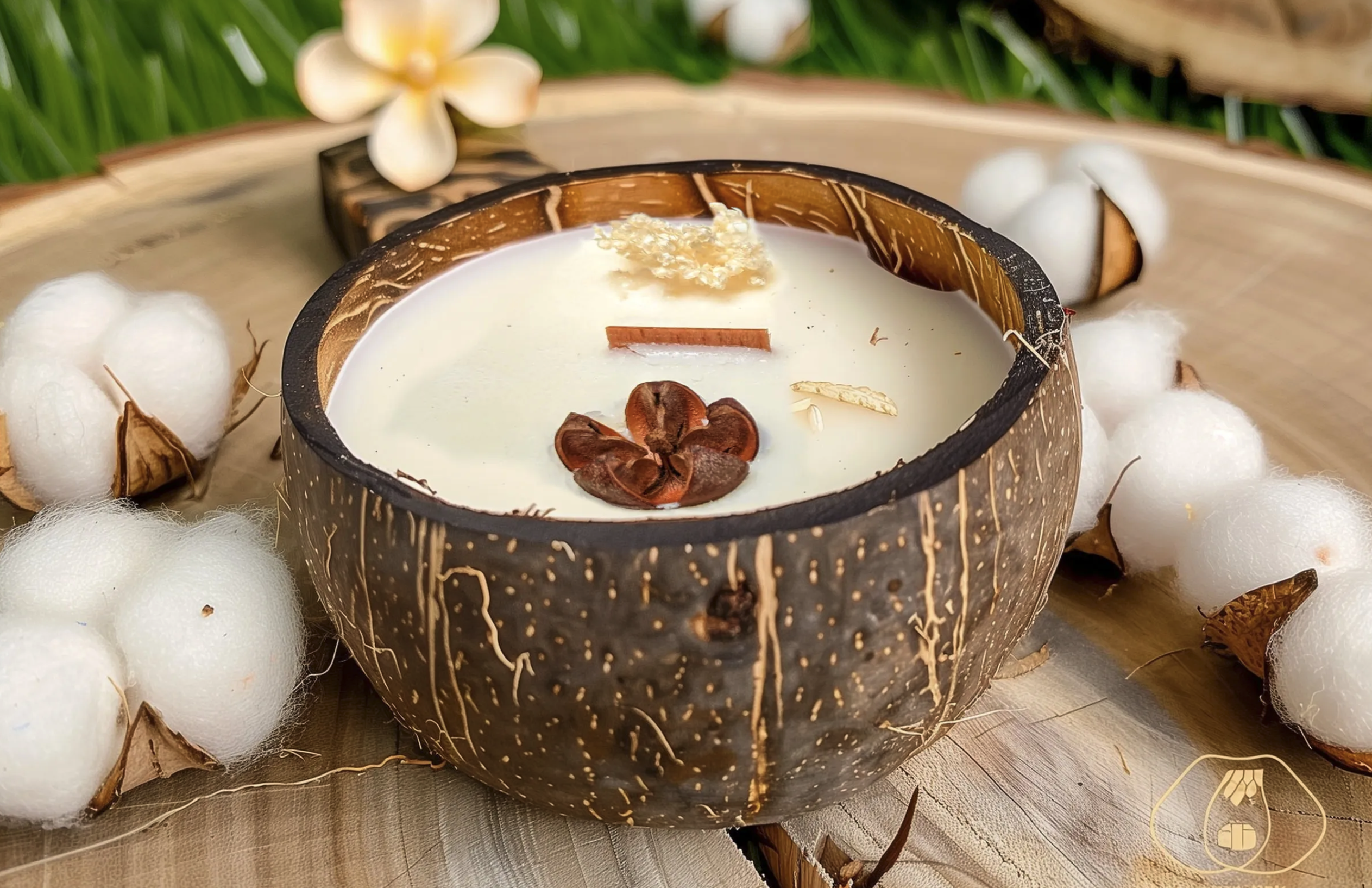
Choosing eco-friendly candles enables you to create a positive impact that reaches well beyond your home. When you opt for plant-based waxes, you're directly supporting renewable agriculture while reducing our shared reliance on fossil fuels. This creates a sustainable cycle that traditional paraffin simply cannot replicate.
Renewable resources and lower carbon footprint
Plant-derived waxes come from renewable crops that naturally absorb carbon dioxide during growth, significantly reducing their environmental impact. This process actually cuts the carbon footprint by approximately 30% compared to paraffin refining. If you've ever wondered if natural wax candles are safe for the environment, the answer is a resounding yes—they embody genuine sustainability.
- Carbon-neutral production: The crops used for soy, coconut, and rapeseed wax naturally capture CO₂, which helps balance out emissions generated during manufacturing.
- No fossil fuel extraction: Unlike paraffin, which depends heavily on petroleum extraction, plant-based alternatives support farming communities while protecting natural biodiversity.
- Fair-trade sourcing: Many certified organic oils are harvested ethically, ensuring local producers receive fair compensation for their sustainable practices.
The cleaner burning characteristic of vegetable wax benefits our broader environment by substantially reducing airborne soot. This decrease prevents harmful particles from building up in the atmosphere and ultimately contaminating our water sources.
Biodegradability and zero-waste candle solutions
Here's an uncomfortable truth about paraffin: it virtually never breaks down, remaining in landfills indefinitely. It builds up as plastic-like microparticles that can eventually contaminate both soil and water ecosystems. By contrast, natural wax candles decompose entirely, returning valuable nutrients to the earth rather than leaving lasting pollution behind. Concerns about whether natural candles are bad for you or the environment vanish when you compare their complete biodegradability to paraffin's persistence.
Some creative artisans even incorporate seed packets directly into their natural wax containers, establishing a wonderful zero-waste cycle. After your candle has burned completely, you can plant these seeds to cultivate flowers or herbs right in the same vessel. Any remaining vegetable wax can go straight into your garden compost to nourish the soil, completing the sustainability circle in a truly meaningful way.
Utilizing eco-friendly packaging—such as recyclable cardboard and reusable glass jars—further enhances these environmental benefits of natural ingredients. Every element of choosing natural candles contributes to reducing landfill waste while supporting circular economy principles that honor our planet's precious resources.
Recommended products




Longer burn time and better value
Opting for natural candles brings benefits that go beyond safeguarding your health and the environment—it's also a savvy financial choice. Since vegetable wax burns at a slower and more consistent rate, your scented candle lasts much longer, offering excellent value over time.

Why soy and vegetable wax candles last longer
When figuring out how to choose scented candles, keep in mind that plant-based waxes melt in a different way than paraffin. Thanks to their lower melting point, they burn more slowly and steadily. This not only helps you get the most out of your candle but also prevents tunneling—a common issue with paraffin candles that leads to wasted wax.
For example, a 200-gram soy candle can glow for about 60 hours, while a similar paraffin candle might only make it to 45. This added burn time means you’ll buy fewer candles each year, trimming your household spending while also cutting down on waste.
| Candle type | Burn duration | Soot production | Annual cost (approx.) |
| Paraffin candle (10 oz) | 35 hours | High (black residue) | €120-150 |
| Soy vegetable wax (10 oz) | 60 hours | Minimal | €85-100 |
| Beeswax candle (10 oz) | 55 hours | Virtually none | €140-180 |
The gradual, even melt of natural wax also helps disperse the aroma evenly across the life of your candle. You’ll enjoy a steady fragrance experience—without the overpowering scent spikes common with synthetic alternatives.
Cost-effectiveness and reduced waste over time
Choosing soy candles is a smart investment for your home. Their extended burn time means you replace them less often, which shrinks your yearly spending and noticeably cuts down on waste. When you compare the benefits to the cost, it’s clear that natural scented candles deliver greater value.
- 30–50% longer burn time: Using fewer candles over the year adds up to real savings.
- Reduced replacement frequency: Buying less means less packaging waste and fewer shipping-related emissions.
- Better fragrance consistency: An even melt releases the natural fragrance more reliably with every ounce burned.
- No surface staining: Very little soot means less cleaning and longer-lasting home decor.
Simply swapping three standard candles for natural scented candles could save you around €120–200 per year. You’ll also prevent pounds of chemical waste from piling up in landfills.
How to choose quality natural scented candles
Picking real natural scented candles means looking past the label and understanding what makes a candle truly natural. Always check the ingredients and look for transparent labeling that tells you exactly what you’re bringing into your home.
- Wax composition: Look for candles made with pure vegetable wax—like soy or beeswax—with no paraffin blends.
- Wick materials: Choose candles with organic cotton or wood wicks to steer clear of toxic emissions from metal-core wicks.
- Essential oil verification: True natural fragrance comes from specific botanicals—not vague phrasing like “fragrance oil.”
- Certification standards: Certifications like organic or cruelty-free help ensure ethical sourcing and non-toxic production.
It’s always a good idea to ask whether manufacturers are open about where their materials come from and how their candles are made. Truly passionate makers love to share the details behind their craft.
Frequently asked questions
Why are natural candles better than paraffin alternatives?
Natural candles utilize vegetable wax and essential oils—ingredients that burn cleanly while offering genuine aromatherapeutic benefits. Unlike paraffin, which is a petroleum byproduct that releases harmful chemicals, natural options significantly improve indoor air quality. Research indicates that choosing a natural scented candle can reduce harmful particulates by nearly 70% compared to conventional candles made from paraffin.
Additionally, these sustainable choices burn longer, making them more cost-effective over time while being fully biodegradable. By supporting renewable agriculture instead of fossil fuel extraction, you actively protect both the environment and your family's health. Ultimately, this simple switch enhances your overall wellbeing without compromising performance.
What are the specific health risks of paraffin candles?
Paraffin candles release volatile compounds like benzene and toluene—known carcinogens that pose serious risks to your health. Burning just a few candles nightly can release pollution levels comparable to driving a car, creating alarming long-term exposure hazards. The black soot produced often irritates the lungs, aggravates asthma, and degrades indoor air quality.
Most conventional candles also rely on synthetic fragrances containing phthalates, which are endocrine disruptors linked to hormonal issues. Switching to non-toxic, natural alternatives eliminates these hazards completely, ensuring a safer home environment. You gain superior aromatherapeutic benefits without the hidden dangers often found in synthetic products.
How do I identify authentic natural scented candles versus greenwashed products?
To ensure you're selecting a genuine product, examine the ingredients list for specific wax types like coconut, rapeseed, or beeswax. Authentic natural scented candles will also clearly list individual essential oils by their botanical names rather than using vague terms like "fragrance." Be cautious of labels that use terms such as " natural fragrance" or "parfum," as these can often conceal synthetic components.
Always verify that the wicks are made from organic cotton or wood, and look for reputable certifications. Trustworthy artisans are transparent about their ingredients, providing clear information about their production methods and oil sourcing. If a manufacturer is ambiguous about the aroma blend or the origin of the wax, they may be concealing synthetic additives.
Share this article:


