

Vinyl doll materials explained: manufacturing and composition
To truly understand vinyl doll materials, it's essential to appreciate how expert craftsmanship transforms raw polymers into beloved companions. Learn how vinyl enhances doll design by exploring the detailed science and artistry behind each tiny feature. This guide will take you through everything that makes these figures special, from their basic construction to the final artistic touches.
What materials compose vinyl dolls and their construction
Vinyl dolls begin as polyvinyl chloride (PVC), a synthetic polymer created through a specialized chemical process. This material is prized for its unique combination of flexibility and excellent durability, making it the prime choice for both playthings and collectibles. A complete understanding of these doll materials involves recognizing the careful engineering that goes into every piece.
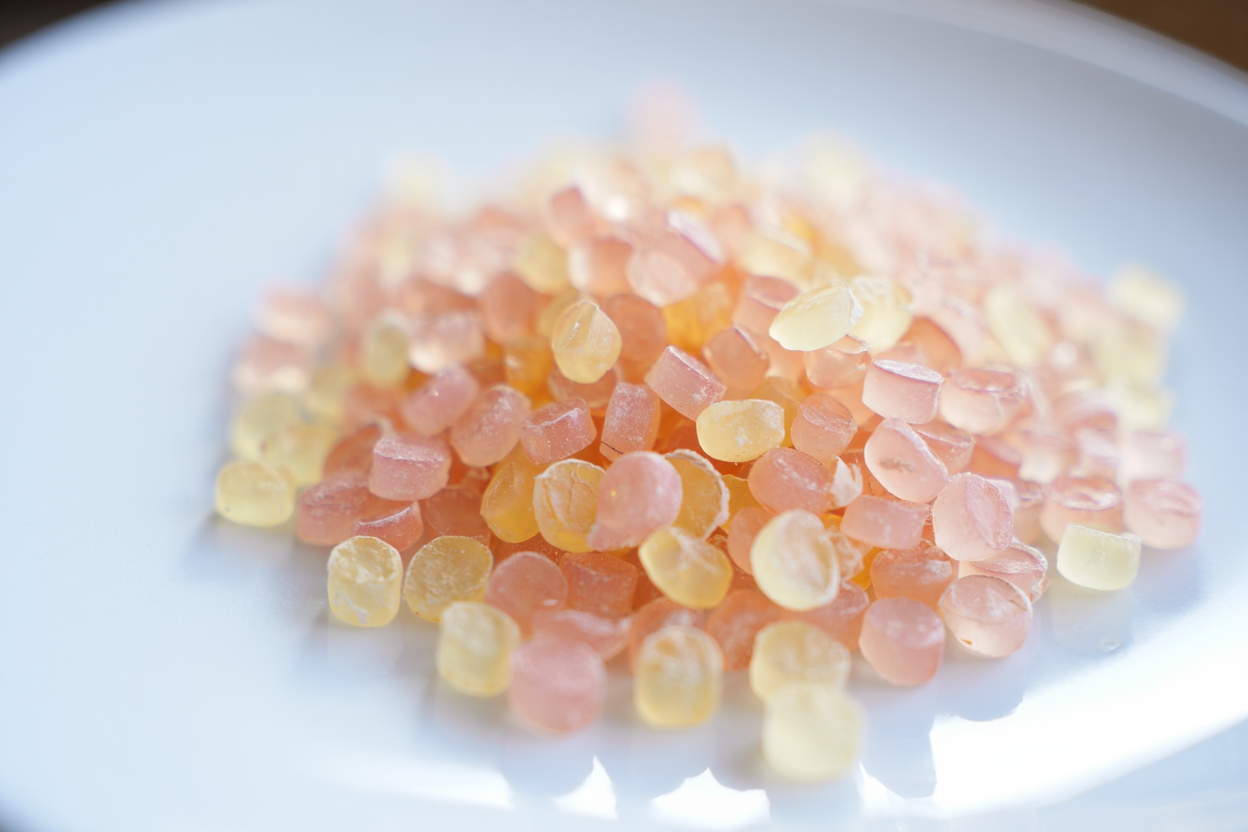
PVC polymer base and certified raw materials
The foundation of any vinyl body doll is polyvinyl chloride, which is derived from ethylene and chlorine. Through a process called polymerization, these elements form long, resilient molecular chains that provide the doll's structural integrity. Reputable manufacturers use only virgin PVC from certified European suppliers to guarantee strict safety standards for all users.
- Ethylene and chlorine origins: These fundamental components chemically combine to produce pure, consistently high-quality PVC resin granules.
- European supplier certification: Trusted creators source their virgin PVC exclusively from certified producers who maintain thorough safety documentation.
- Granular form delivery: The raw materials are delivered to factories as uniform granules, prepared for mixing with essential additives.
- Safety standard compliance: Every component undergoes rigorous testing to ensure it is completely free from restricted substances and heavy metals.
The manufacturing process blends PVC powder with modern plasticizers, thermal stabilizers, and UV protectants. This mixture is then heated to high temperatures in extruders, resulting in a pliable material perfect for molding. The final product is the smooth, distinct finish that characterizes high-quality vinyl dolls.
Full vinyl versus soft body doll construction types
Two primary construction styles define the vinyl dolls available to collectors and enthusiasts today. Recognizing the difference between vinyl construction methods is key to selecting the ideal doll for your needs. Full vinyl dolls are made completely from solid PVC, while soft-body versions combine a fabric torso with vinyl limbs and head.
- 100% vinyl construction: These dolls are molded entirely from solid PVC, offering exceptional sculptural detail and waterproof durability.
- Soft-body construction: A soft fabric torso is attached to a solid vinyl head and limbs, providing a cuddly and realistic feel.
- Internal reinforcement systems: Both styles often incorporate wires or specialized joints to enable natural, lifelike posing without risk of damage.
The real charm of vinyl dolls lies in their remarkable versatility. A full vinyl doll offers collectors superior resilience, while a soft body provides a comforting, hug-friendly warmth. No matter the type, both styles benefit from advanced painting techniques and the meticulous hand-finishing that defines premium doll artistry.
When discussing doll materials, the debate between silicone and vinyl always surfaces, highlighting the unique advantages of each. This contrast is beautifully displayed in collectible artist dolls. You can discover how vinyl brings collectible dolls to life through its impressive blend of realism and everyday durability. Whether you prefer the ultra-soft touch of silicone or the lightweight elegance of vinyl, knowing the characteristics of these materials will enrich your appreciation for fine craftsmanship.
Silicone Versus Vinyl Materials Comparison Guide
Selecting between silicone and vinyl is a key choice for any doll collector. Both materials achieve stunning realism, but they differ in feel, practicality, and cost, catering to varied preferences. Weighing the pros and cons allows you to find the ideal reborn baby doll that fits your needs.

Tactile Properties and Realistic Feel Differences
Silicone reborn dolls, made from high-grade materials, provide an almost magical lifelike feel that enchants collectors who value supreme tactile realism. The material’s natural softness closely mimics a newborn’s skin, responding to your touch with a gentle, warm give that vinyl replicates in a different way. This premium quality, however, comes with a higher price tag—silicone dolls are generally three to five times more expensive than vinyl ones.
On the other hand, vinyl reborn dolls offer a sophisticated and appealing alternative. The firmer surface holds intricate details beautifully, while the slight give of soft vinyl provides a pleasant, skin-like sensation without the steep cost. Although full silicone dolls boast superior flexibility and weight distribution, well-made vinyl dolls with weighted bodies can achieve similar posability and a realistic heft for a much more affordable price.
| Characteristic | Silicone Reborn Dolls | Vinyl Dolls |
| Tactile Feel | Ultra-soft, squishy, skin-like | Firm, smooth, detailed |
| Surface Texture | Naturally tacky, prone to staining | Easy-clean, water-resistant |
| Weight Realism | Naturally heavy and weighted | Lightweight or adjustable with pellets |
| Price Range | Premium (800 to 3000+ EUR) | Accessible (150 to 800 EUR) |
| Durability for Handling | Delicate, prone to tearing | Highly impact-resistant |
| Painting Acceptance | Requires specialized silicone paints | Accepts Genesis heat-set paints excellently |
The difference between vinyl and silicone goes well beyond how they feel. Silicone’s naturally sticky surface tends to attract dust and lint, calling for careful storage and very specific cleaning methods. Vinyl’s water-resistant nature makes daily handling much more practical—a simple wipe with a damp cloth will keep your baby doll looking pristine without risk of damage.
Durability and Maintenance for Reborn Doll Collectors
Caring for silicone dolls requires gentle, respectful handling, much like you would give a museum piece. The material, while flexible, can tear if handled roughly, and its tacky surface is prone to staining from oils and dust. These dolls are best kept in climate-controlled settings where they can be displayed without disturbance, maintaining their beauty. For those who enjoy interaction, silicone involves ongoing maintenance that some find rewarding, though others may see it as too high-maintenance.
When it comes to durability and long-term care, vinyl and silicone represent two very different approaches. A vinyl reborn can handle regular posing and gentle play without sustaining permanent damage. This material resists moisture, needs only basic cleaning, and often develops a richer character over time. For reborn baby dolls used as therapeutic companions, vinyl’s sturdiness allows for years of meaningful connection. Many collectors find that vinyl reborn dolls—especially those with meticulous painting and detail—only grow more lifelike with careful use.
The process of transforming raw materials into cherished playmates highlights the incredible sophistication behind every vinyl creation. Crafting realistic baby dolls involves a series of specialized steps, each adding personality and charm to the finished product. Discover how vinyl shapes modern doll craftsmanship by following the careful progression from material mixing to final inspection.
Recommended products


How Vinyl Baby Dolls Are Manufactured Step-by-Step
The creation of vinyl dolls is a captivating fusion of chemistry, precision engineering, and artistic skill. Every stage is carefully built upon the last, introducing layers of complexity that culminate in the lifelike dolls we adore. Beginning with the preparation of the raw compound and ending with a stringent final check, the entire process requires meticulous attention and expertise.
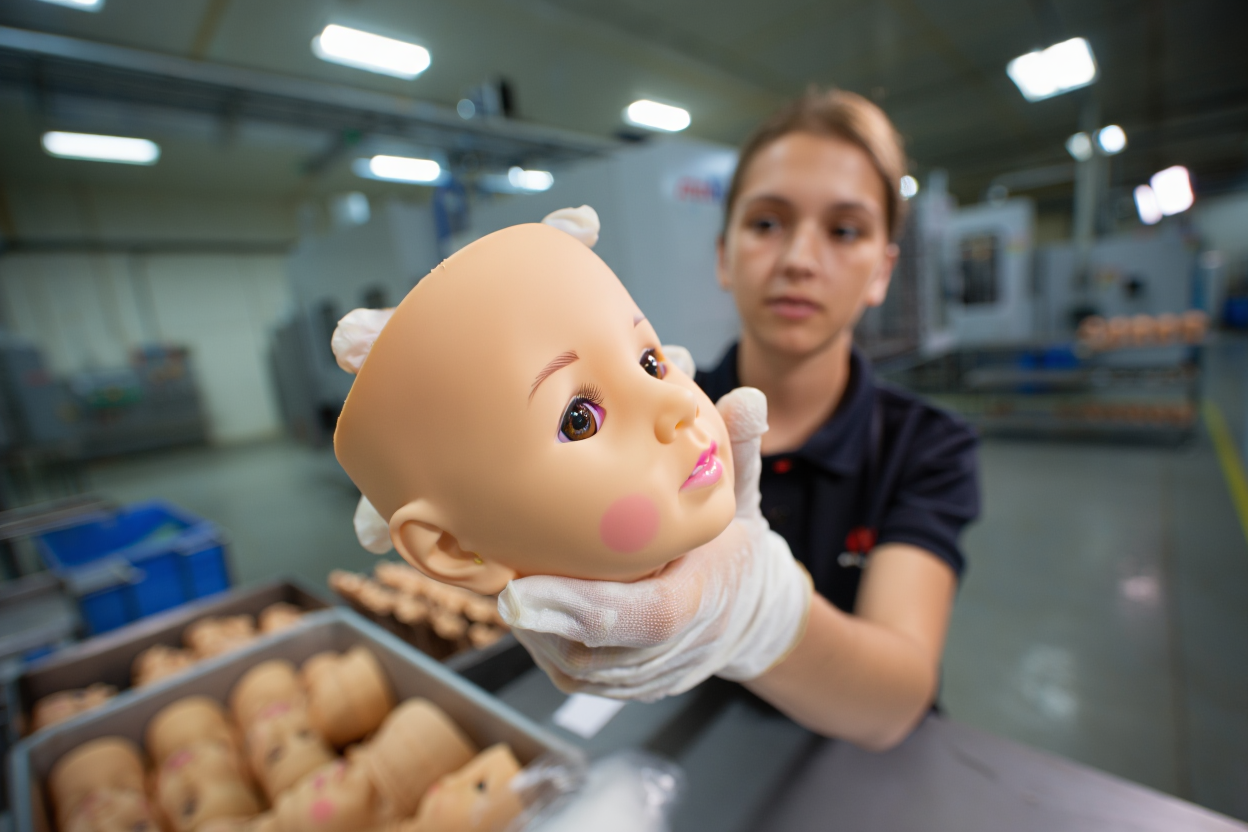
Molding Techniques for Realistic Doll Components
To truly understand what vinyl on a doll is, it helps to appreciate the advanced molding techniques that give each design its character. High-precision steel molds capture incredible anatomical detail, from delicate cheek contours to the subtle joints of fingers. Molten vinyl is injected at temperatures between 150-180°C, swiftly hardening into components rich with realistic texture.
- Injection molding process: High-pressure machinery forces molten vinyl into molds to create solid parts, such as heads and torsos, with impressive surface detail.
- Rotocasting technique: For hollow heads and flexible vinyl limbs, liquid vinyl is poured into molds that rotate, ensuring an even thickness as the material cures under heat.
- Post-cure stabilization: After molding, components are heated to 80-90°C to remove any solvents and stabilize their structure, preventing later warping or shrinkage.
- Precision demolding: Parts are delicately removed to avoid any damage and are then lightly sanded to improve paint adhesion and ensure a perfect finish.
The cooling stage is vital for maintaining quality. A carefully controlled drop in temperature ensures the vinyl limbs keep their intended shape while achieving a smooth, pliable surface. Specialized release agents make demolding easy while preserving the material’s flawless integrity.
Painting and Finishing for Lifelike Baby Doll Details
Once the molded components have cooled, the journey toward realism accelerates with intricate painting and detailing. It's these final touches—subtle color gradients and translucent skin tones—that truly bring a baby doll to life. Multiple layers of acrylic paint are applied to create depth, artfully replicating the natural variations found in human skin.
- Airbrushed base coating: Artists build up realistic skin tones with translucent pigments, suggesting natural blushing, complexion variation, and even the faint appearance of veins.
- Fine detail application: Steady-handed techniques are used to add eyebrows, eyelashes, and fingernails with permanent inks that resist handling and cleaning.
- Protective sealing: A clear matte sealant locks in the colors and adds a skin-like texture, finalizing the stunning illusion of a real baby.
This painting stage elevates simple industrial material into a vibrant work of art. Every application adds character, from rosy cheeks to blushed fingertips. Both hard vinyl and soft vinyl parts receive the same meticulous attention to ensure visual and tactile consistency. It’s this dedicated artistry that separates true collector-quality vinyl dolls from ordinary mass-produced toys.
Quality Control and Safety Certification Standards
Every vinyl doll that comes off the production line goes through a rigorous inspection before it reaches a collector or child. Visual checks confirm surface quality and paint durability, with any flaw immediately corrected. Flexibility tests ensure the right feel, and material analysis guarantees all components meet strict international safety standards.
Safety certifications verify that both mechanical properties and chemical composition are appropriate for the intended age group. Regulations require full documentation of all materials, confirming the absence of restricted substances to protect children and collectors alike. These measures ensure that safety is never sacrificed for beauty or realism.
Reputable manufacturers trace their raw materials and document each production phase through comprehensive quality assurance systems. Compliance testing includes checks for durability and long-term stability under various environmental conditions. This thorough approach guarantees that each vinyl doll remains a beautiful and sturdy companion for years to come.
Frequently Asked Questions
When exploring doll materials, it's essential to understand the key differences between vinyl and silicone. These two materials represent distinct approaches, each with a dedicated following. Silicone dolls offer an ultra-soft, skin-like texture and a realistic, substantial weight that provides an incredibly lifelike experience—though this often comes with a premium price point.
On the other hand, a vinyl doll excels at holding intricate details and stands up remarkably well to handling. Known for its superior water resistance, a vinyl doll delivers exceptional value, capturing much of the realism of silicone at a more accessible cost.
For reborn dolls intended as interactive companions, the hardy characteristics of vinyl make it an immensely practical choice. The final difference between vinyl and silicone often boils down to your personal priority: tactile luxury for display or everyday durability for play.
The creation of vinyl dolls begins with high-quality PVC resin granules, typically sourced from certified European suppliers. These raw materials are carefully blended with plasticizers and UV protectants inside industrial extruders, which heat the mixture to a precise, high temperature.
This molten compound is then injected into custom steel molds under high pressure, forming exquisitely detailed components that rapidly cool to retain their intended shape. Next, highly skilled artisans hand-apply multiple translucent layers of paint to build up realistic skin tones and capture the fine nuances, like veining and blushing, that give vinyl reborn dolls their signature realism.
The final stage of production involves assembling the molded components, connecting them with secure joints or hand-stitched attachments. Each finished piece undergoes rigorous quality assurance checks to verify its safety and surface integrity before a completed vinyl reborn is ready to join a collector's home.
No, vinyl, silicone, and resin are three unique materials, each bringing its own set of properties and advantages to doll making. While vinyl is celebrated for its flexibility and excellent water resistance, silicone is prized for its unparalleled softness and heavy, realistic weight.
The comparison between resin and vinyl reveals that they cater to different collector desires. Resin dolls are often the pinnacle of high-end artistry, prized for their ability to hold incredibly fine detail. Conversely, vinyl is the dominant material in the reborn market, largely due to its outstanding durability and resilience.
For collectors seeking a doll that can be actively loved and handled, vinyl reborn dolls often emerge as the optimal choice. To put it simply: resin is a rigid material for display, while vinyl and silicone are flexible materials that offer different, yet equally compelling, forms of realism.
Share this article:


