

The psychology of doll collecting: why collectors love dolls
Adult doll collecting remains widely misunderstood, yet the psychology is rich and surprisingly revealing. From Barbie dolls to finely sculpted vinyl figures, people collect dolls for nostalgia, beauty, identity, creativity, and an emotional connection that can be hard to explain until the hobby is experienced from within.
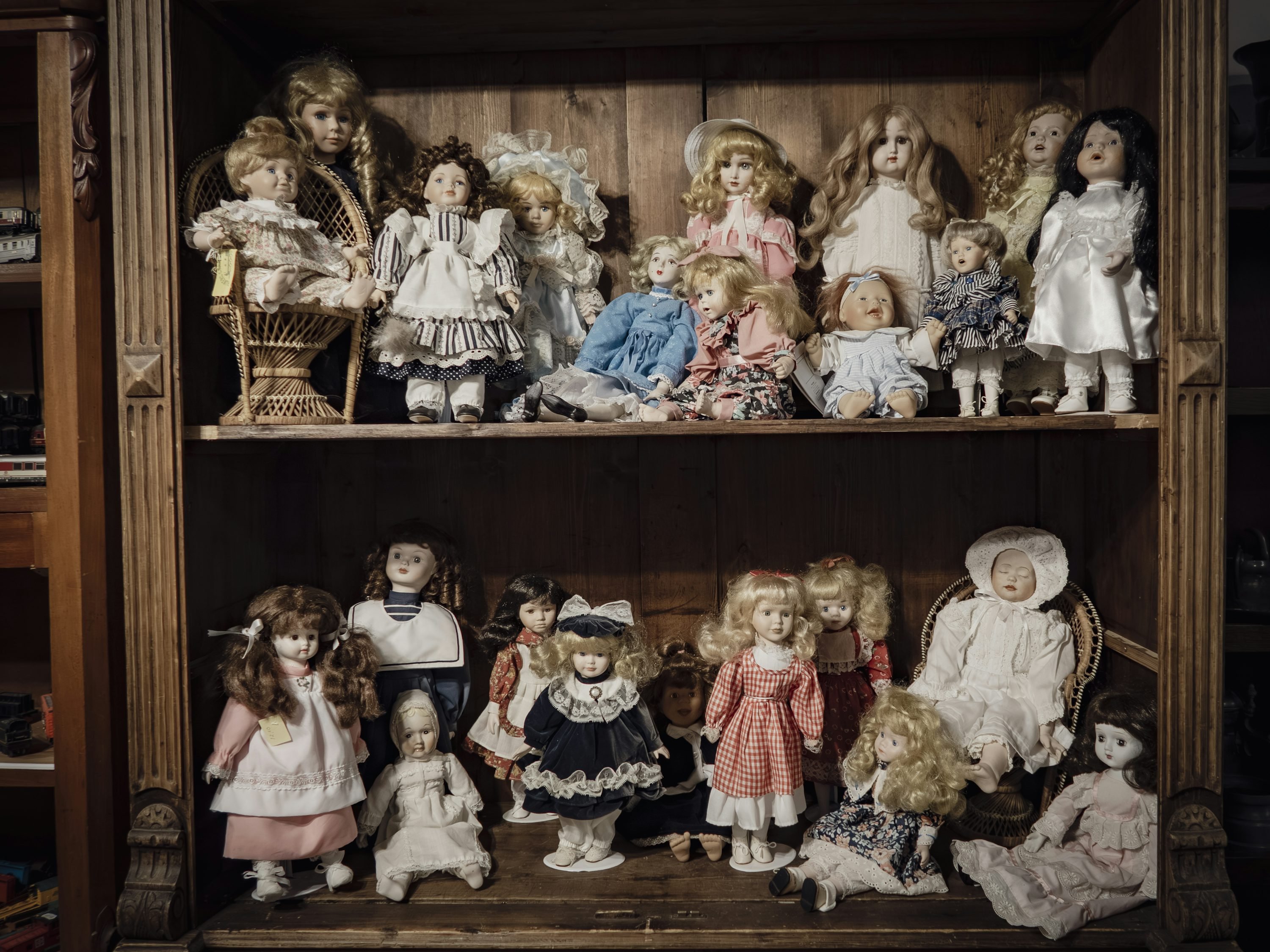
The emotional and psychological roots of doll collecting
The psychology behind liking dolls often begins in childhood and stays linked to memory, family, and continuity of self. Research by Ignacio and Cupchik (2020) describes two broad motivations: some collectors are guided by aesthetic pleasure and a secure sense of identity, while others find the hobby more overtly therapeutic, using it for healing, comfort, and psychological steadiness.
That distinction matters. In practice, both paths can coexist in the same collector, because a doll may be at once beautiful, collectible, and deeply personal.
Many doll lovers describe handling a doll as a form of stress relief. Dressing, posing, adjusting a wig, or refining a display introduces a calm rhythm to the day, and realistic figures can encourage feelings associated with warmth, love, and care; for some, the process offers a healthy escape from pressure and a quiet way to reflect.
- Nostalgia and childhood reconnection Many people return to collecting dolls in their thirties or forties after encountering a doll tied to a vivid childhood memory.
- Aesthetic curation Choosing pieces with care can feel close to building an art collection: each selection supports self-expression and reinforces identity.
- Therapeutic escape Styling, display, and gentle hands-on interaction can support stress relief and create a restorative pause in everyday life.
- Creative self-expression Dioramas, costume design, restoration, photography, and display planning give the hobby lasting creative depth.
What the collection is meant to hold shapes every decision: beauty, nostalgia, identity, or the quieter healing thread that supports emotional balance over time.
From nostalgia to art: why collectors invest in quality dolls
That emotional and artistic depth also explains a question often searched online: why serious collectors spend thousands on a single piece. For serious enthusiasts, buying a limited-edition or artist-signed piece can resemble acquiring sculpture rather than something made only for play, because rarity, workmanship, and provenance all contribute to lasting value.
The collectible doll market was valued at £7.26 billion in 2023, which places adult doll collecting alongside other established forms of collectible culture. Adults account for 28% of global toy sales, a share that reflects how thoroughly the boundary between play and serious collecting has dissolved.
Fashion Friends dolls, sculpted by Dianna Effner, show how strongly craftsmanship shapes attachment. Each figure has a named identity and a distinct character, so the piece feels less like a simple purchase and more like a work chosen with care, worth looking for when artistic vision matters as much as the collection itself.
Community and social belonging in doll collecting
Once a collection begins to reflect personal taste, many collectors look for others who understand the same pull. Forums, clubs, conventions, specialist magazines, and active online communities give doll lovers a place to share research, display ideas, restoration tips, and the psychology behind liking dolls without embarrassment or defensiveness.
That sense of belonging counters the old stereotype of obsession as something lonely or unhealthy.
Play doll or collector doll: how to choose the right one
The distinction matters from the outset. A play doll is made for children and everyday handling, while a collector doll is created for adults or for ages 14 and over: this difference runs through design, materials, safety standards, and the psychological bond that develops over time.
That bond is reflected in how each piece is made. A piece intended for play needs resilience and simplicity; by contrast, a collectible piece is shaped by finish, character, and the kind of presence that can reflect personal taste, memory, or identity.
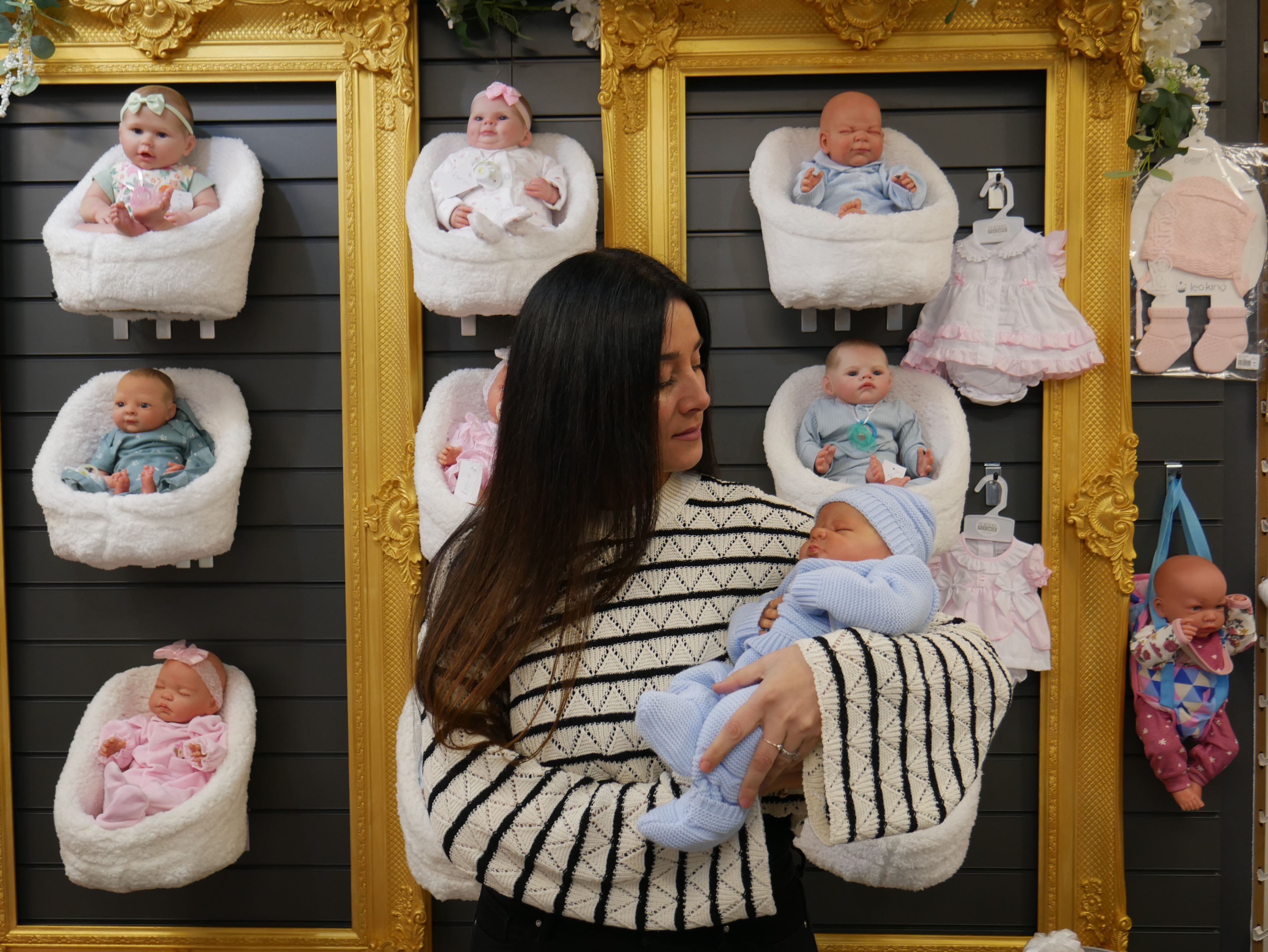
Understanding the difference between toy dolls and collector dolls
Although collector dolls comply with relevant safety directives, they are not conceived in the same way as toys. The detail that makes the difference is intent: a play doll supports imaginative play, whereas a collector piece is designed for display, appreciation, and a more considered form of attachment.
- Design philosophy: play dolls focus on durability and repeated handling, while collector dolls are shaped by an artist’s vision, often with hand-painted faces, blown glass eyes, and carefully finished clothing.
- Intended audience: play dolls are made for children; collector dolls are created for adults and for young enthusiasts aged 14 and over, shaping a relationship built on appreciation rather than play.
- Material quality: collector-grade vinyl, porcelain, and bisque each bring distinct qualities and care requirements that a collector learns to recognise.
- Named character identity: Fashion Friends dolls such as Maya, Hanna, Stella, Sara, Bella, Kayla, Lila, Freida, and Alex have individual personalities that encourage lasting affection and make each doll feel distinct.
An artist’s name is often the clearest sign that a doll belongs to the collectible world. Fashion Friends dolls by Dianna Effner carry that authorship, and each 36 cm vinyl figure sits comfortably within adult doll collecting or as a thoughtful choice for a younger collector aged 14 and over.
Why vinyl dolls appeal to adult collectors
For many enthusiasts, doll collecting begins with vinyl. That helps explain why so many collectors choose vinyl: the material offers durability, a refined finish, and a surface that takes hand-painted detail beautifully, all without the fragility associated with porcelain or bisque.
Alongside this, vinyl is practical to live with. It handles careful posing well, stores reliably in good conditions, and supports custom styling through interchangeable wigs, shoes, clothing, and accessories. This flexibility gives the hobby room to grow with the collector’s interests.
The Fashion Friends range shows this especially well: articulated joints allow natural poses, while changing outfits and hair opens space for display themes, photography, and personal interpretation. In practice, that balance between artistry and flexibility is a major reason vinyl remains central to adult doll collecting.
Getting started in doll collecting: what to look for
A first collectible piece should be examined with care. Worth looking for when choosing a doll are four signs of quality: articulation that holds a pose naturally, hand-painted facial detail with a consistent expression, hair construction such as hand-knotted human hair wigs, and clothing finished with neat seams and fabrics suited to the design.
Quality is never accidental. For anyone entering doll collecting as a hobby, these features provide a reliable way to judge craftsmanship before style preferences take over.
From there, the appeal often expands beyond display alone. Many enthusiasts use each doll for photography, diorama work, or costume design.
Doll collecting as a path to joy, identity, and wellbeing
Beyond aesthetics and artistry, doll collecting supports memory, creativity, and a steadier sense of identity: the emotional connection it fosters can feel both personal and lasting.
In practice, collecting dolls can bring structure, reflection, and a sense of belonging, especially when it is approached with care rather than impulse.
How to become a doll collector: first steps and mindset
Anyone exploring how to become a doll collector quickly finds that knowledge is part of the pleasure. Learning maker histories, reading manufacturer records, identifying materials, and joining an online community all deepen appreciation while giving the mind something absorbing to engage with while shaping a genuine psychological reward.
From there, the right choice depends on focus. A clear theme, whether centred on an artist, a character type, a period, or a material, helps a collector build a collection with meaning rather than simply gathering dolls at random.
- Start with a clear focus: defining a theme helps shape a coherent collection and gives early purchases lasting relevance.
- Learn material identification: vinyl, porcelain, bisque, celluloid, and cloth all age differently, so understanding what each doll is made from is essential.
- Connect with other collectors: forums, fairs, specialist magazines, and conventions offer perspective, expertise, and friendship that solitary research rarely provides.
- Prioritise artist-led pieces: dolls by named sculptors, including Dianna Effner, carry artistic provenance that enriches the relationship between collector and piece.
A small, thoughtful group of dolls may reflect far more engagement than a hurried accumulation, and collectors will note that the key distinction lies in whether the hobby brings joy or anxiety.
Once that line becomes blurred, a useful signal is the shift from restoration to compulsion: collecting that brings anxiety rather than pleasure may warrant professional support. Patterns linked to OCD or another disorder involving compulsive acquisition can affect any collecting field, which is why recognised support such as cognitive behavioural therapy can be valuable when emotional balance begins to slip.
The therapeutic and identity benefits of collecting dolls
That same sense of intention also shapes the therapeutic side of the hobby. Doll collecting care and preservation often becomes a calming ritual: checking garments, adjusting a display, or gently cleaning a doll can create a therapeutic rhythm that encourages attention, patience, and emotional regulation.
Alongside this, the tactile experience matters. Handling a carefully made doll can encourage comfort and emotional connection, and in some contexts reborn dolls have been used in grief support and care settings because of that soothing psychological response.
For many doll lovers, a chosen group of pieces becomes a way to reflect gender expression, cultural background, aesthetic taste, or formative memory that may once have been difficult to name.
From there, the collection becomes more than a private pleasure. It can connect a collector to fellow enthusiasts who share the same language of craft history and preservation, making the hobby feel recognised rather than solitary. Explore the full range of collectible doll art to find a piece worth considering for a collection shaped by personal taste.
Caring for your doll collection over the long term
Once a collection begins to reflect personal meaning, preservation becomes essential. Good doll collecting care and preservation starts with the environment: stable temperature, moderate humidity, protection from direct sunlight, and acid-free storage materials.
Display choices matter too. Glass-fronted cabinets with LED lighting are usually safer than open shelves or bright window spaces, because vinyl fades gradually and irreversible damage often appears before it is fully noticed.
- Storage conditions: keep dolls in stable conditions and avoid sealed plastic containers that trap moisture.
- Hair care: use a wide-tooth comb from the ends upward, and keep heat away from wigs and rooted hair.
- Regular inspection: watch for pest activity, loose joints, fabric damage, fine cracks, and colour change.
- Material-specific cleaning: always identify the composition before cleaning, since vinyl, porcelain, and bisque respond differently to pressure and moisture.
For a fuller guide to long-term maintenance, see collectible doll care. Once you know the materials, informed routines are the detail that makes the difference between a collection that keeps its beauty and one that slowly deteriorates.
Frequently asked questions
Is collecting dolls a psychological disorder or a healthy hobby?
Research draws a clear line: when buying or restoring a collectible doll lifts mood, fuels social ties, and stays within budget, the practice supports wellbeing. By contrast, compulsive acquisition that crowds living space or masks anxiety resembles a disorder and may signal OCD. The detail that makes the difference: emotional connection should feel freeing, never burdensome. As the reborn dolls scene shows, realistic figures can even play a therapeutic role after bereavement, reflecting healthy motivations rather than pathology.
What separates collecting Barbie dolls from collecting artist dolls?
Collecting Barbie dolls often centres on eras, box variations, and market history; each Barbie tells a slice of popular culture and identity shifts since 1959. Collector grades hinge on mint packaging and minute condition codes. Artist dolls follow another path: one sculptor’s vision, short runs, hand-painted nuance. A piece worth considering is the Fashion Friends dolls line, where nine vinyl characters invite wardrobe customisation and story building.
When should a young enthusiast move from play dolls to collector dolls?
Around fourteen, many shift from active, unguarded play to deliberate curation. From there, the psychological focus moves toward safeguarding memory, exploring identity, and learning display care. Fashion Friends dolls straddle that border: robust enough for gentle interaction yet classified as collectible for teen and adult hands. Collectors will note how named characters such as Maya or Stella sustain an emotional connection that began in childhood and matures into a lifelong hobby.
Share this article:


